Bitcoin Mining Increases Air Pollution Harmful to Human Health
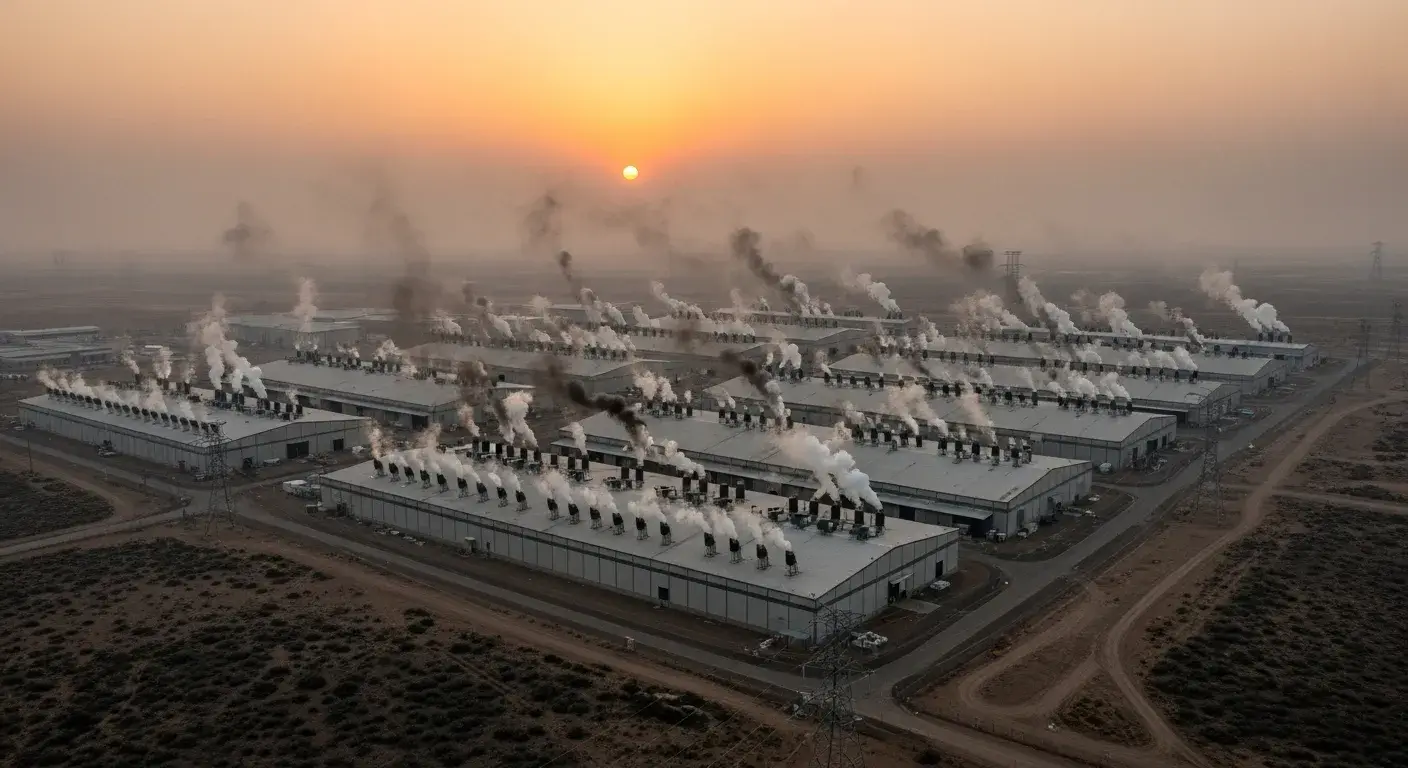
Bitcoin mining operates through a proof-of-work mechanism that requires powerful computers to solve complex mathematical problems. This process consumes enormous amounts of electricity, often comparable to the annual energy usage of entire countries. In regions where coal, natural gas, or oil dominate electricity generation, mining operations significantly elevate carbon emissions and air pollution levels.
Because Bitcoin mining increases air pollution, mining facilities tend to cluster in areas with cheap electricity, which is frequently generated from fossil fuels. This concentration intensifies localized pollution, placing surrounding communities at heightened risk of long-term health complications.
Fossil Fuel Dependency and Emission Growth
Despite increased awareness of renewable energy, a substantial portion of Bitcoin mining still relies on fossil fuels. Coal-fired power plants, in particular, emit fine particulate matter known as PM2.5, which penetrates deep into the lungs and bloodstream. As Bitcoin mining increases air pollution harmful to human health, these emissions contribute to asthma, chronic bronchitis, heart disease, and premature deaths.
The environmental stress does not remain localized. Pollutants travel across borders, affecting air quality in neighboring regions and increasing global health burdens.
Health Impacts of Bitcoin Mining-Related Air Pollution
Respiratory and Cardiovascular Risks
One of the most alarming consequences of air pollution from Bitcoin mining is its effect on respiratory and cardiovascular health. Pollutants released during electricity generation exacerbate lung inflammation and reduce oxygen flow, increasing hospital admissions for respiratory illnesses.
Research indicates that communities near mining centers experience higher rates of asthma attacks and chronic obstructive pulmonary disease. This further supports the argument that Bitcoin mining increases air pollution harmful to human health, particularly among children and the elderly.
Long-Term Public Health Consequences
Long-term exposure to polluted air increases the risk of strokes, heart attacks, and lung cancer. When Bitcoin mining operations expand without environmental safeguards, healthcare systems face mounting pressure. Public health costs rise, productivity declines, and governments must allocate additional resources to address preventable illnesses.
The hidden health costs of Bitcoin mining are often excluded from economic discussions, yet they represent a significant societal burden tied directly to air pollution.
Bitcoin Mining Increases Air Pollution Through Power Grid Strain
Overloading Existing Energy Infrastructure
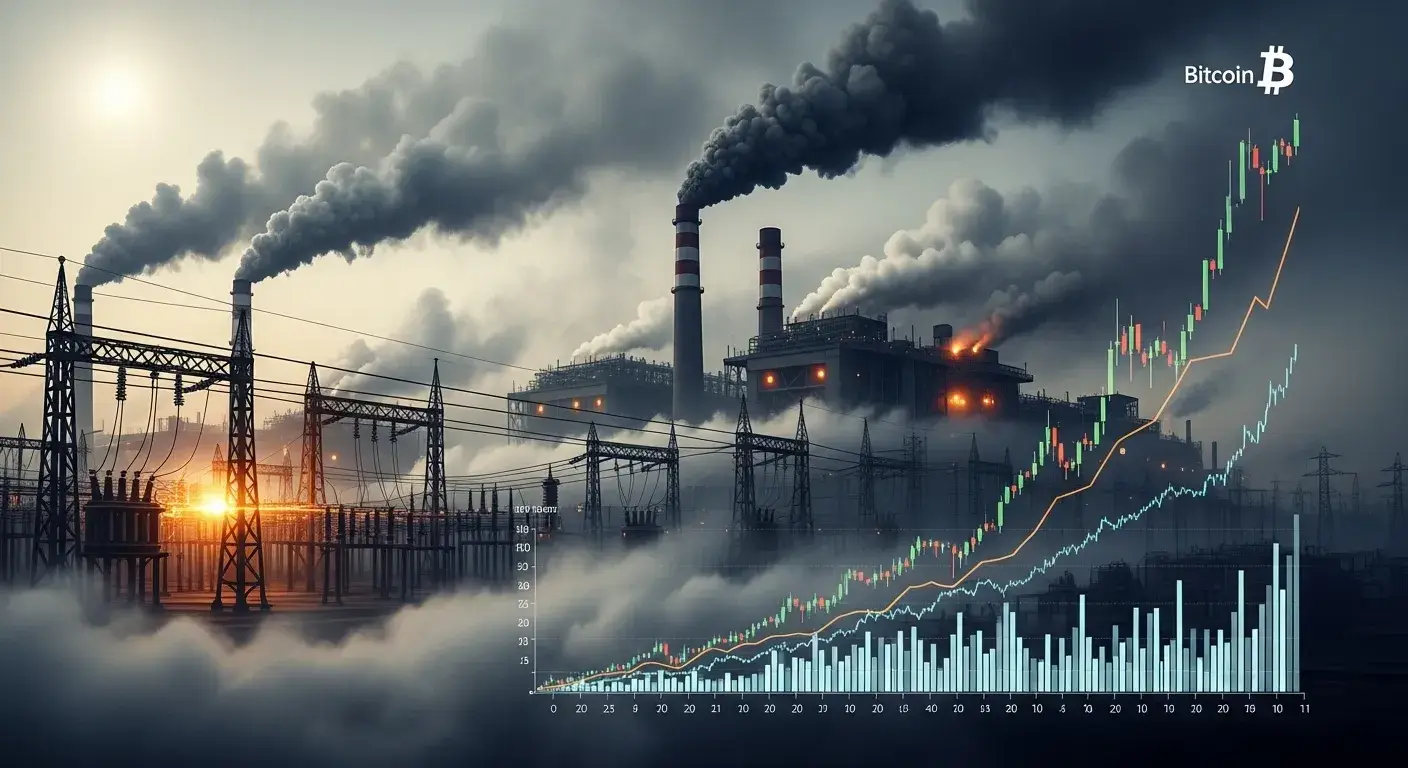
Large-scale Bitcoin mining operations place immense strain on regional power grids. When demand surges, utilities often turn to older, dirtier power plants to meet electricity needs. This emergency energy generation increases emissions and worsens air quality.
As Bitcoin mining increases air pollution, communities face blackouts, higher electricity prices, and increased exposure to harmful pollutants. This creates a cycle where economic benefits for miners translate into environmental and health costs for the public.
Impact on Vulnerable Communities
Low-income and rural communities are disproportionately affected by mining-related pollution. These areas often lack political influence and adequate healthcare infrastructure, making them more vulnerable to pollution-induced illnesses. The environmental justice implications of Bitcoin mining are becoming increasingly evident as air pollution burdens shift onto marginalized populations.
Climate Change Links and Air Quality Degradation
Greenhouse Gases and Atmospheric Damage
Bitcoin mining contributes significantly to greenhouse gas emissions, accelerating climate change. Rising temperatures worsen air quality by increasing ground-level ozone formation, which aggravates respiratory conditions.
When Bitcoin mining increases air pollution harmful to human health, it indirectly amplifies climate-related health risks such as heat stress, dehydration, and infectious disease spread. This interconnected damage highlights the urgent need for sustainable alternatives.
Seasonal and Regional Pollution Patterns
Air pollution from mining is not uniform. In colder months, fossil fuel consumption spikes to meet both mining and heating demands. This seasonal overlap leads to severe air quality deterioration in mining regions, making winters especially hazardous for residents.
Economic Costs of Air Pollution from Bitcoin Mining

Healthcare Expenses and Productivity Loss
Air pollution linked to Bitcoin mining results in higher healthcare costs due to increased hospital visits, medication use, and long-term treatment needs. Workers suffering from pollution-related illnesses experience reduced productivity, absenteeism, and early retirement.
These economic losses underscore why governments are increasingly scrutinizing how Bitcoin mining increases air pollution and threatens sustainable economic growth.
Environmental Cleanup and Regulatory Burdens
Governments must invest heavily in pollution control, monitoring, and environmental restoration efforts. These costs often exceed the tax revenues generated by mining operations, raising questions about the true economic value of unchecked cryptocurrency expansion.
Policy Responses to Bitcoin Mining Air Pollution
Government Regulations and Energy Policies
Several countries are introducing stricter regulations to curb mining-related pollution. Policies include emission caps, carbon taxes, and restrictions on mining operations powered by fossil fuels. These measures aim to reduce the negative health impacts caused when Bitcoin mining increases air pollution harmful to human health.
Encouraging Cleaner Energy Use
Transitioning mining operations to renewable energy sources such as solar, wind, and hydroelectric power can significantly reduce air pollution. While some mining companies have begun adopting greener practices, progress remains uneven across regions.
Technological Alternatives and Sustainable Solutions
Transition to Energy-Efficient Consensus Models
Unlike Bitcoin’s proof-of-work system, alternative consensus mechanisms such as proof-of-stake require far less energy. Wider adoption of energy-efficient blockchain technologies could reduce pollution and mitigate health risks.
Although Bitcoin’s structure makes rapid transition difficult, technological innovation remains a critical pathway to reducing air pollution.
Community Awareness and Responsible Investment
Public awareness plays a vital role in shaping mining practices. Investors increasingly consider environmental, social, and governance factors when supporting cryptocurrency projects. By prioritizing sustainability, stakeholders can influence how Bitcoin mining increases air pollution and push the industry toward cleaner solutions.
Conclusion
The evidence is clear that Bitcoin mining increases air pollution harmful to human health, creating far-reaching consequences for communities, healthcare systems, and the global environment. While Bitcoin continues to reshape financial systems, its environmental and health costs cannot be ignored. Cleaner energy adoption, stronger regulations, and informed investment decisions are essential to reducing the pollution burden associated with mining.
As awareness grows, individuals, policymakers, and industry leaders must work together to address how Bitcoin mining increases air pollution and protect public health. Stay informed, support sustainable blockchain initiatives, and advocate for cleaner energy solutions to ensure that technological progress does not come at the cost of human well-being.



Post Comment