
The world of cryptocurrency continues to evolve at a staggering pace, with new technologies, platforms, and terms appearing almost daily. Whether you are a beginner investor or a seasoned trader, understanding key cryptocurrency terms is crucial for navigating this fast-moving industry. From the foundational concept of Bitcoin to the cutting-edge applications of blockchain technology, knowing the language of crypto not only enhances your knowledge but also empowers you to make smarter financial decisions.
In this comprehensive guide, we will walk you through the most important cryptocurrency terms, explaining what they mean, how they work, and why they matter in January 2026. By the end of this article, you will have a clear understanding of crypto jargon, which will give you confidence when discussing, investing, or trading digital assets.
Bitcoin – The Pioneer of Digital Currency
Bitcoin is the first and most well-known cryptocurrency. Launched in 2009 by the pseudonymous developer Satoshi Nakamoto, Bitcoin introduced a decentralized financial system that operates without a central bank or government authority. Unlike traditional currencies, Bitcoin relies on a peer-to-peer network and cryptography to secure transactions, making it resistant to censorship and fraud.
Bitcoin is often referred to as digital gold due to its limited supply of 21 million coins and its store of value characteristics. Understanding Bitcoin is essential because it laid the foundation for nearly all subsequent cryptocurrency innovations and serves as the benchmark for the market’s performance.
Blockchain – The Backbone of Crypto
While Bitcoin is a digital currency, blockchain is the underlying technology that enables its existence. A blockchain is a distributed ledger that records all transactions across a network of computers in a secure, transparent, and immutable way.
Each block in the chain contains a batch of transactions and is cryptographically linked to the previous block. This structure ensures that once data is recorded, it cannot be altered without network consensus, making blockchain highly resistant to tampering. Beyond cryptocurrencies, blockchain technology has applications in supply chain management, healthcare, and finance, offering transparency, security, and decentralization.
Altcoins – Beyond Bitcoin
The term altcoins refers to any cryptocurrency other than Bitcoin. Altcoins emerged to address Bitcoin’s limitations, such as transaction speed and scalability, and to introduce new features like smart contracts and decentralized finance (DeFi). Popular altcoins include Ethereum, Cardano, Solana, and Polkadot, each with its unique ecosystem and use cases.
Investors often explore altcoins to diversify their portfolios, but it’s important to the specific technology and market potential of each coin. Unlike Bitcoin, altcoins may offer higher returns but also carry increased risk.
cryptocurrency termsWallets – Storing Your Crypto Securely

A cryptocurrency wallet is a digital tool that allows you to store, send, and receive crypto assets securely. Wallets can be hot wallets, connected to the internet, or cold wallets, offline storage solutions offering higher security.
Hot wallets, like mobile apps or web wallets, provide convenience for daily trading, cryptocurrency terms while cold wallets, such as hardware devices, protect assets from online threats. Understanding wallets is essential because losing access to your wallet can result in irreversible loss of your cryptocurrency holdings.
Exchanges – Buying and Selling Cryptocurrency
A cryptocurrency exchange is a platform that facilitates the buying, selling, and trading of digital assets. Exchanges can be centralized, where a company manages the platform, or decentralized (DEX), where trades occur directly between users without intermediaries.
Popular exchanges like Binance, Coinbase, and Kraken offer robust trading tools and liquidity, while DEXs like Uniswap and PancakeSwap enable peer-to-peer swaps. Choosing the right exchange depends on factors like security, fees, and available trading pairs.
Mining – Powering the Network
Mining is the process by which transactions are verified and added to the blockchain. It involves solving complex mathematical problems using computational power. Miners are rewarded with cryptocurrency for their efforts, incentivizing network security and decentralization.
Bitcoin mining relies on a proof-of-work (PoW) system, whereas newer cryptocurrencies may use proof-of-stake (PoS) or hybrid models, which consume less energy and offer faster transaction speeds. Understanding mining helps explain how cryptocurrencies maintain integrity and why network participation matters.
Smart Contracts – Automating Transactions
Smart contracts are self-executing agreements with the terms of the contract written directly into code. These contracts automatically execute when predefined conditions are met, eliminating the need for intermediaries and reducing transaction costs.
Ethereum pioneered smart contracts, enabling developers to create decentralized applications (DApps) that can run on a blockchain. Smart contracts are integral to DeFi platforms, NFT marketplaces, and automated financial protocols, providing efficiency, transparency, and trust in digital transactions.
NFTs – Unique Digital Assets
Non-fungible tokens (NFTs) are unique digital assets stored on a blockchain, representing ownership of art, collectibles, virtual land, or other digital items. Unlike cryptocurrencies like Bitcoin or Ethereum, NFTs are not interchangeable, giving them distinct value.
NFTs have created new opportunities for artists, gamers, and investors, allowing them to monetize digital creations. Understanding NFTs is key to grasping the expanding digital economy and emerging trends in metaverse platforms.
DeFi – Decentralized Finance
Decentralized Finance (DeFi) refers to financial services built on blockchain networks, eliminating the need for traditional intermediaries like banks. DeFi platforms allow users to lend, borrow, trade, and earn interest on cryptocurrency assets.
Protocols like Aave, Compound, and MakerDAO demonstrate the power of DeFi, offering transparency, global accessibility, and permissionless financial tools. Understanding DeFi is crucial for leveraging cryptocurrency beyond simple trading, opening doors to passive income and innovative financial strategies.
cryptocurrency terms Stablecoins – Bridging Crypto and Fiat
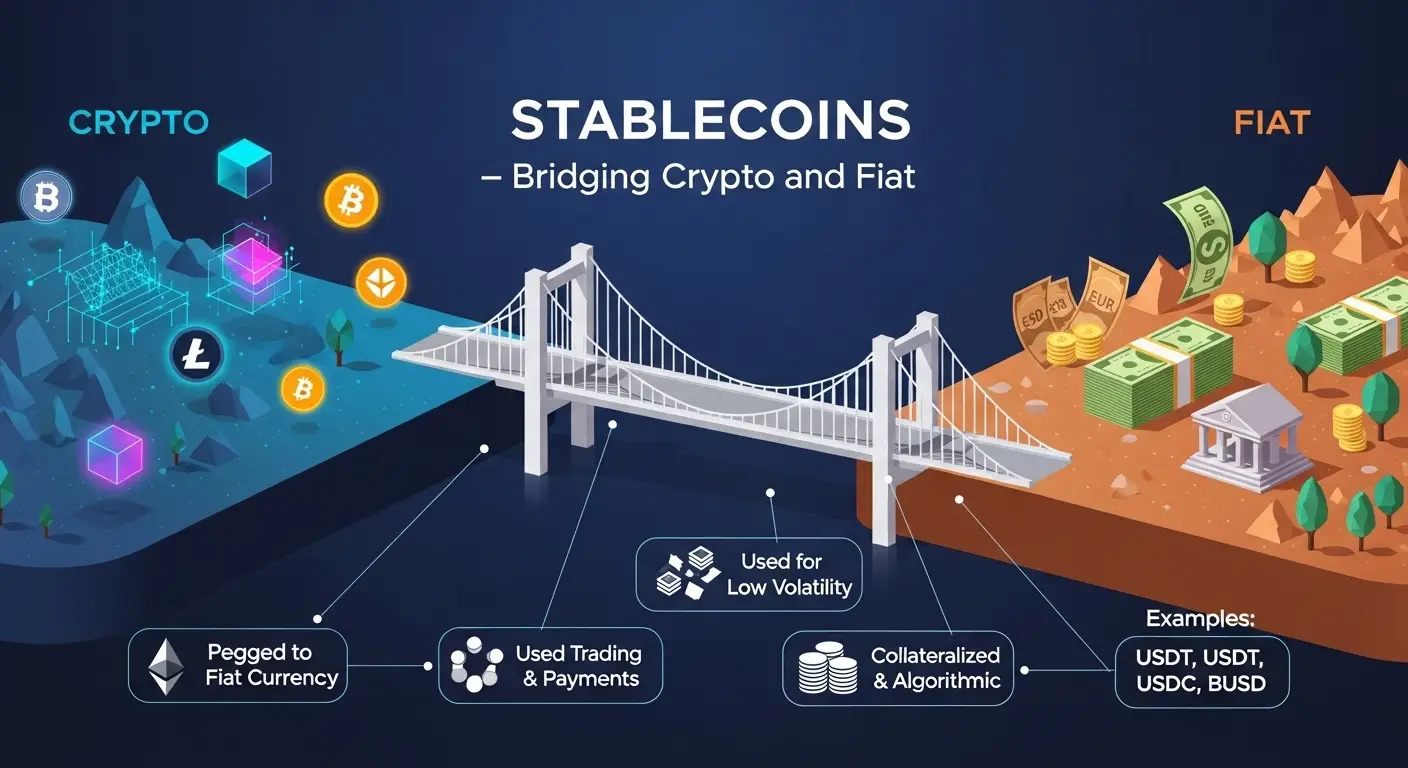
Stablecoins are cryptocurrencies pegged to traditional currencies like the US dollar or Euro, providing price stability. Popular stablecoins include USDT (Tether), USDC, and DAI.
Stablecoins facilitate trading, payments, and DeFi transactions without exposure to extreme volatility. cryptocurrency terms They are essential for investors seeking to hedge risk, move funds quickly, or use crypto in real-world transactions.
Security Tokens – Investment in the Blockchain Era
Security tokens represent ownership of real-world assets, such as shares, bonds, or real estate, on the blockchain. Unlike traditional cryptocurrencies, security tokens are subject to regulatory oversight and offer legal rights to their holders.
These tokens combine the efficiency of blockchain with traditional investment principles, opening new possibilities for liquidity and fractional ownership. Understanding security tokens helps investors navigate regulated crypto markets confidently.
Gas Fees – The Cost of Transactions
In blockchain networks like Ethereum, gas fees are charges required to execute transactions or run smart contracts. These fees compensate network validators or miners for their computational work.
Gas fees fluctuate based on network congestion and transaction complexity. Knowing how gas fees work is important for budgeting trades and selecting the optimal time for transactions, particularly in high-demand periods.
DeFi Protocols and Liquidity Pools
Liquidity pools are collections of cryptocurrency locked in smart contracts to facilitate trading on decentralized exchanges. Users provide liquidity and earn rewards in the form of fees or tokens.
These mechanisms are essential for maintaining liquidity in DeFi platforms, enabling smoother transactions and supporting decentralized lending, borrowing, and yield farming activities. Understanding liquidity pools is vital for anyone exploring advanced DeFi strategies.
Conclusion
Cryptocurrency is no longer just a niche hobby or speculative investment; it has become a global financial phenomenon. Understanding key cryptocurrency terms like Bitcoin, blockchain, altcoins, wallets, and DeFi is essential for anyone looking to engage in this exciting digital landscape.
By familiarizing yourself with these terms, you can confidently navigate exchanges, participate in DeFi, invest in NFTs, and stay informed about the latest market developments. The crypto world may evolve rapidly, but having a solid grasp of the fundamentals ensures you are always prepared for opportunities and risks alike.
FAQs
1. Why is it important to understand cryptocurrency terms?
cryptocurrency terms helps investors make informed decisions, avoid scams, and leverage digital assets effectively in trading, DeFi, and investment strategies.
2. What is the difference between Bitcoin and altcoins?
Bitcoin is the first cryptocurrency and often serves as a store of value, while altcoins are all other cryptocurrencies designed to address specific limitations or provide unique features.
3. How does blockchain technology ensure security?
Blockchain uses cryptographic hashing and a decentralized ledger structure, making data immutable and resistant to tampering without network consensus.
4. What are smart contracts, and how do they work?
Smart contracts are self-executing programs that run on blockchains, automatically enforcing agreements when predefined conditions are met.
5. What role do wallets play in cryptocurrency management?
Wallets securely store digital assets, allowing users to send, receive, and manage cryptocurrencies, with cold wallets offering higher security than hot wallets.




2 thoughts on “cryptocurrency terms From Bitcoin to Blockchain Key”