Pakistan Opens Crypto Licensing to Global Exchanges
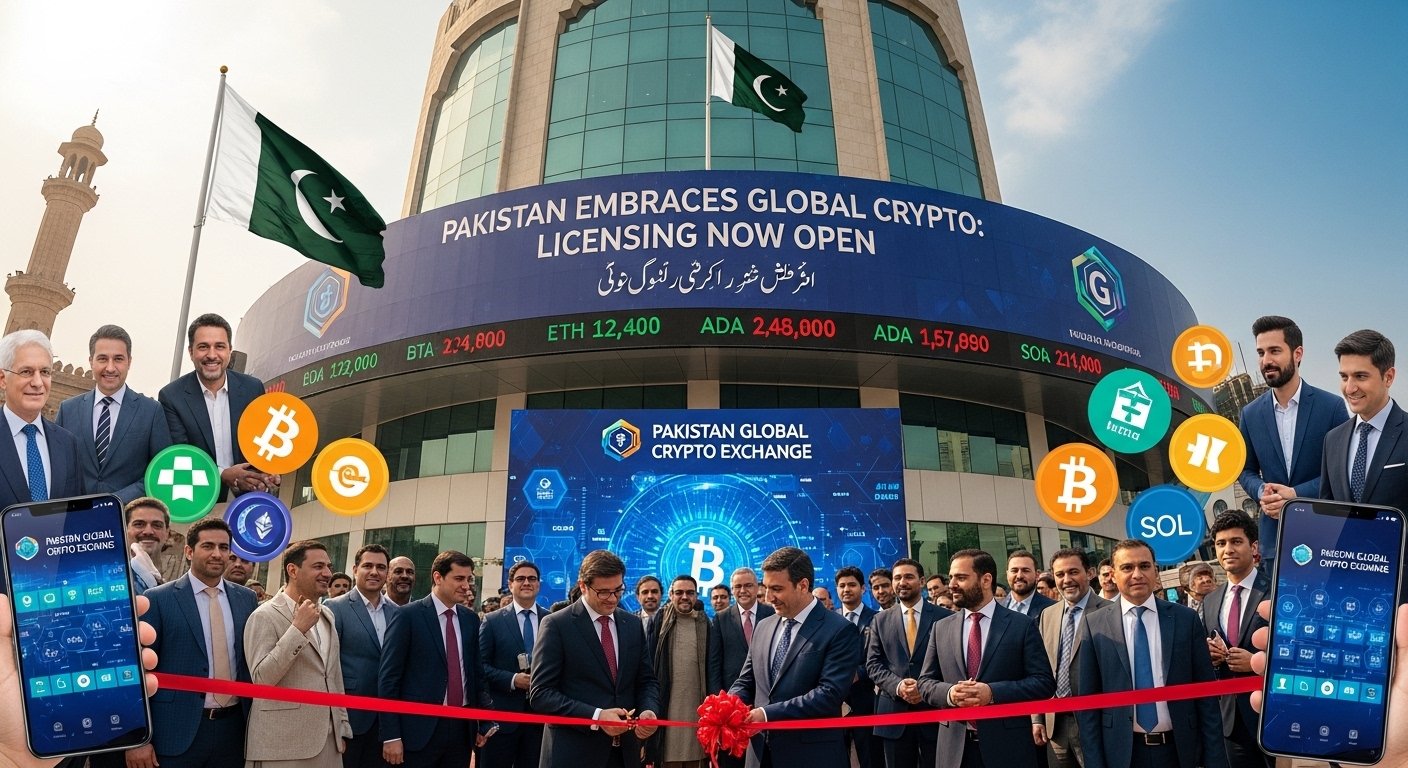
In a landmark move that signals a major shift in financial policy, Pakistan opens crypto licensing to global exchanges, marking a new era for digital assets in the country. For years, Pakistan maintained a cautious stance toward cryptocurrencies, often oscillating between regulatory warnings and partial restrictions. However, as global adoption accelerates and blockchain technology reshapes financial systems, Pakistan has decided to step into the spotlight by embracing regulated crypto innovation.
This development is not just about legalizing cryptocurrency trading; it represents a broader strategy to attract foreign investment, modernize financial infrastructure, and integrate into the global digital economy. By allowing international crypto exchanges to obtain licenses, Pakistan aims to create a structured, transparent, and secure ecosystem for crypto users, businesses, and investors.
The decision comes at a time when emerging markets are increasingly recognizing the economic potential of blockchain technology. With a young, tech-savvy population and a growing freelance economy, Pakistan is uniquely positioned to benefit from crypto adoption. This article explores the implications, opportunities, challenges, and long-term impact of Pakistan opening crypto licensing to global exchanges.
The Pakistan’s Crypto Policy Shift
A Transition from Caution to Regulation
For years, Pakistan’s approach to cryptocurrency was marked by uncertainty. Authorities expressed concerns over fraud, money laundering, and lack of consumer protection. However, the global success of regulated crypto markets has demonstrated that proper oversight can mitigate risks while unlocking economic potential.
Now that Pakistan opens crypto licensing to global exchanges, the focus has shifted from restriction to regulation. This transition reflects a growing understanding that banning innovation is less effective than managing it responsibly.
Why Now?
Several factors have influenced this policy shift. The rapid global adoption of digital assets, increasing remittance flows through crypto channels, and the rise of decentralized finance have all played a role. Additionally, neighboring countries exploring similar frameworks have created competitive pressure.
Pakistan’s decision also aligns with its broader digital transformation goals, including financial inclusion and fintech development. By welcoming global exchanges, the country is positioning itself as a regional hub for blockchain innovation.
What Crypto Licensing Means for Global Exchanges
Entry into a High-Potential Market
With Pakistan opens crypto licensing to global exchanges, international platforms now have the opportunity to tap into a market of over 240 million people. This includes millions of unbanked individuals who can benefit from decentralized financial services.
Licensed exchanges will be able to operate legally, offer services to Pakistani users, and collaborate with local financial institutions. This creates a win-win scenario where users gain access to secure platforms while exchanges expand their global footprint.
Compliance and Regulatory Requirements
To obtain a license, exchanges must comply with strict regulatory standards. These may include Know Your Customer (KYC) procedures, Anti-Money Laundering (AML) measures, data protection policies, and financial reporting requirements.
Such regulations ensure that the crypto ecosystem remains safe, transparent, and aligned with international best practices. This move also helps build trust among users who were previously hesitant to engage with unregulated platforms.
Impact on Pakistan’s Economy
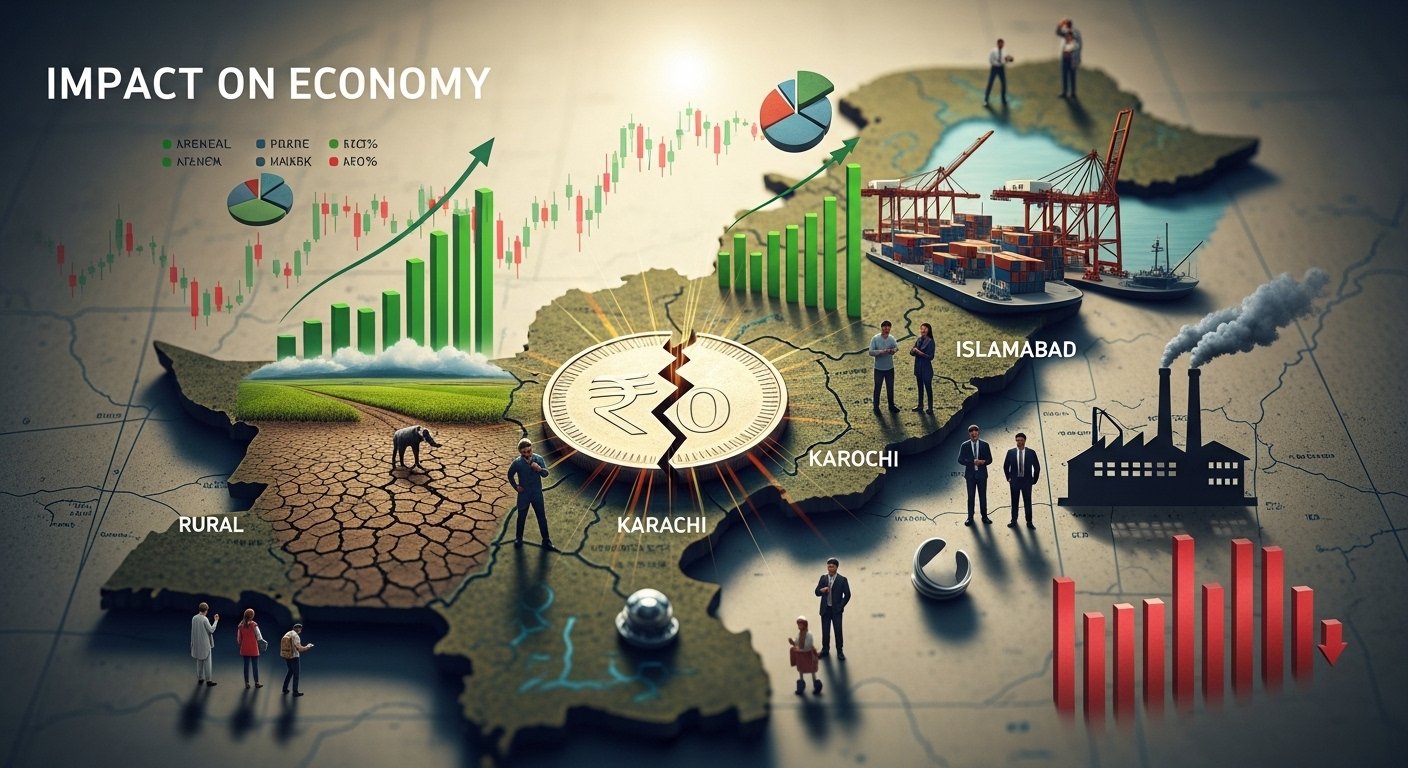
Boosting Foreign Investment
One of the most immediate effects of Pakistan opens crypto licensing to global exchanges is the potential influx of foreign capital. International exchanges often invest heavily in local infrastructure, marketing, and partnerships.
This investment can create jobs, stimulate economic activity, and contribute to the growth of Pakistan’s fintech sector. It also enhances the country’s reputation as a forward-thinking economy open to innovation.
Enhancing Financial Inclusion
Pakistan has a significant unbanked population, particularly in rural areas. Crypto platforms can provide access to financial services without the need for traditional banking infrastructure.
By enabling secure digital wallets and peer-to-peer transactions, licensed exchanges can empower individuals who were previously excluded from the financial system. This aligns with national goals of increasing financial inclusion and economic participation.
Strengthening Remittance Channels
Remittances are a major source of income for Pakistan. With crypto integration, cross-border transactions can become faster, cheaper, and more efficient.
As Pakistan opens crypto licensing to global exchanges, overseas Pakistanis can use regulated platforms to send money home with reduced fees and improved transparency. This could significantly enhance the country’s remittance ecosystem.
Opportunities for Local Businesses and Startups
Growth of the Fintech Ecosystem
The licensing framework creates new opportunities for local startups to collaborate with global exchanges. From payment gateways to blockchain solutions, the possibilities are vast.
Entrepreneurs can leverage the presence of international platforms to build innovative products and services tailored to the local market. This can lead to the emergence of a vibrant fintech ecosystem.
Job Creation and Skill Development
As global exchanges establish operations in Pakistan, they will require a skilled workforce. This includes roles in technology, compliance, customer support, and marketing.
The demand for blockchain developers, cybersecurity experts, and financial analysts is expected to rise. This can drive skill development and create high-quality employment opportunities for young professionals.
Challenges and Risks
Regulatory Enforcement
While the decision that Pakistan opens crypto licensing to global exchanges is promising, effective implementation is crucial. Regulatory bodies must ensure consistent enforcement of rules to maintain market integrity.
Failure to do so could lead to loopholes, fraud, and loss of investor confidence. Therefore, strong governance and continuous monitoring are essential.
Market Volatility
Cryptocurrencies are known for their price volatility. While this presents opportunities for traders, it also poses risks for inexperienced investors.
Educating users about responsible investing and risk management will be key to ensuring a sustainable crypto ecosystem in Pakistan.
Cybersecurity Concerns
As digital assets become more prevalent, the risk of cyberattacks increases. Exchanges and regulators must prioritize cybersecurity measures to protect user funds and data.
This includes implementing advanced security protocols, conducting regular audits, and promoting awareness among users.
Pakistan’s Position in the Global Crypto Landscape

Competing with Regional Markets
By allowing global exchanges to operate, Pakistan is entering a competitive regional landscape. Countries in Asia and the Middle East are also developing crypto-friendly policies.
However, Pakistan’s large population, growing internet penetration, and increasing digital adoption give it a unique advantage. If managed effectively, the country can become a key player in the global crypto market.
Building International Partnerships
The move to open licensing also facilitates international collaboration. Pakistan can partner with global financial institutions, technology providers, and regulatory bodies to enhance its crypto ecosystem.
Such partnerships can bring in expertise, innovation, and investment, further strengthening the country’s position.
Future Outlook
Long-Term Economic Transformation
The decision that Pakistan opens crypto licensing to global exchanges is not just a short-term policy change; it has the potential to reshape the country’s economic landscape.
By integrating blockchain technology into various sectors, Pakistan can improve efficiency, transparency, and productivity. This includes areas such as supply chain management, healthcare, and government services.
Evolution of Digital Finance
As crypto adoption grows, traditional financial institutions may also evolve. Banks could integrate blockchain solutions, offer crypto services, and collaborate with exchanges.
This convergence of traditional and digital finance can create a more inclusive and dynamic financial ecosystem.
Regulatory Maturity
Over time, Pakistan’s regulatory framework is expected to evolve. As authorities gain experience and insights, policies can be refined to address emerging challenges and opportunities.
This continuous improvement will be crucial for sustaining growth and maintaining global competitiveness.
Conclusion
The announcement that Pakistan opens crypto licensing to global exchanges marks a turning point in the country’s financial journey. By embracing regulation instead of restriction, Pakistan is unlocking new opportunities for investment, innovation, and economic growth.
While challenges remain, the potential benefits far outweigh the risks. With proper implementation, strong governance, and active participation from stakeholders, Pakistan can build a robust and inclusive crypto ecosystem.
This move not only positions the country as a forward-looking economy but also empowers its citizens to participate in the global digital revolution. As the world continues to embrace blockchain technology, Pakistan’s proactive approach could serve as a model for other emerging markets.
FAQs
1. What does it mean that Pakistan opens crypto licensing to global exchanges?
It means that international cryptocurrency exchanges can now apply for licenses to operate legally in Pakistan under a regulated framework.
2. How will this impact Pakistani crypto users?
Users will gain access to secure, regulated platforms with better protection, transparency, and service quality.
3. Will crypto trading be fully legal in Pakistan?
Crypto trading will be legal through licensed platforms that comply with regulatory requirements set by authorities.
4. What are the benefits for the economy?
The move can attract foreign investment, create jobs, enhance financial inclusion, and improve remittance systems.
5. Are there any risks involved?
Yes, risks include market volatility, cybersecurity threats, and the need for strong regulatory enforcement, but these can be managed with proper policies.


1 comment