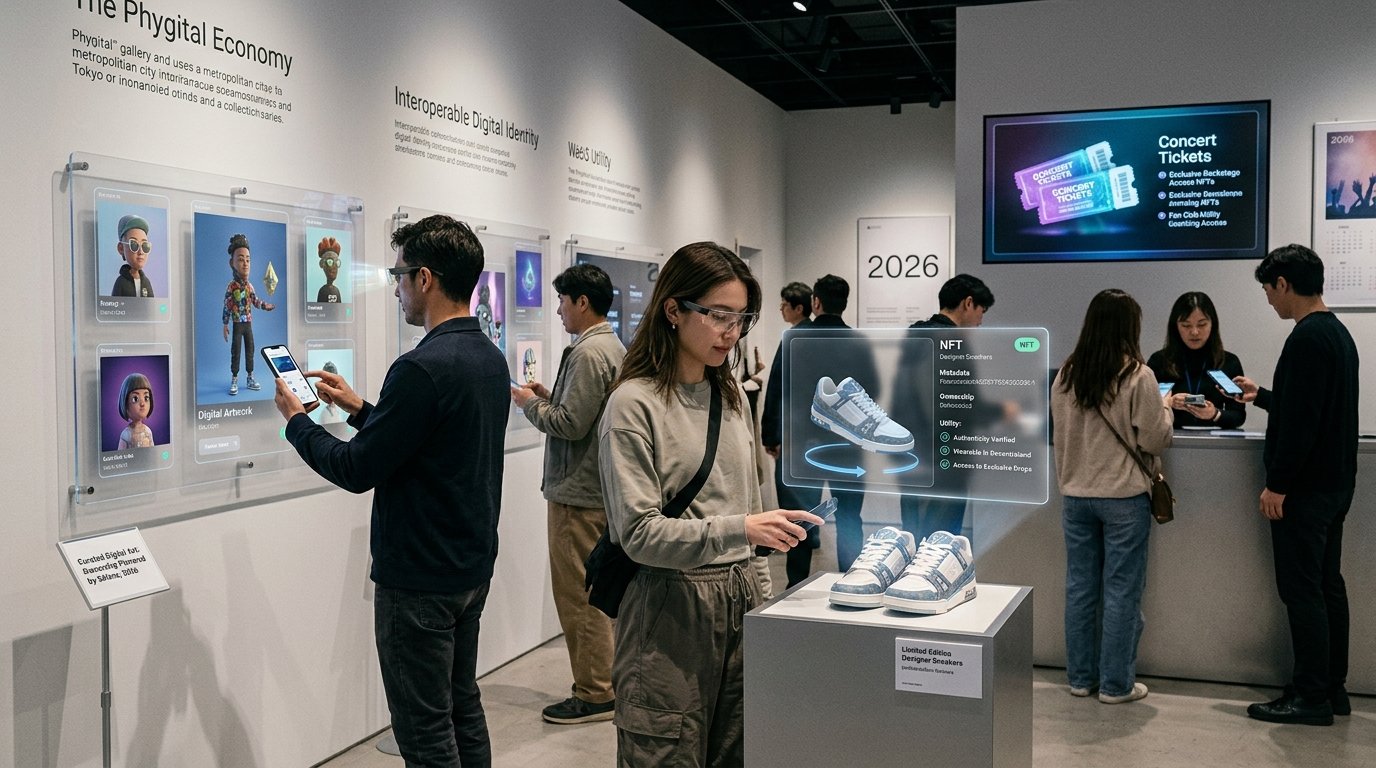
The conversation around NFTs in 2026 has become more intense than ever. Just a few years ago, non-fungible tokens dominated headlines, celebrity endorsements, and multimillion-dollar digital art sales. Then came the crash. Trading volumes dropped, public interest faded, and many critics declared NFTs officially dead. Yet despite the collapse of speculative hype, the technology behind NFTs quietly continued evolving in the background.
Today, the NFT market looks very different from the flashy days of overpriced JPEG collections. Instead of focusing only on digital art, modern NFT ecosystems are now connected to gaming, artificial intelligence, ticketing systems, music rights, virtual real estate, identity verification, and decentralized finance. This transformation raises a major question: are NFTs in 2026 truly finished, or are they entering a more mature and sustainable era?
The answer may surprise both critics and long-term believers. As blockchain adoption grows and Web3 infrastructure improves, NFTs are once again attracting attention from investors, creators, gaming companies, and major brands searching for new ways to build digital ownership. Understanding where the industry stands today is essential for anyone interested in the future of crypto, digital assets, and online economies.
What Are NFTs and Why Did the Hype Collapse?
NFTs, or non-fungible tokens, are blockchain-based digital assets that prove ownership and authenticity. Unlike cryptocurrencies such as Bitcoin or Ethereum, every NFT is unique and cannot be exchanged equally with another token. This uniqueness made NFTs popular for art, collectibles, and virtual assets during the 2021 bull market.
However, the original NFT boom was fueled largely by speculation rather than utility. Many projects promised unrealistic returns without providing long-term value. Celebrity-backed collections surged in price overnight before crashing just as quickly. As crypto markets entered a bear cycle, investors lost confidence, leading to declining trading activity across major NFT marketplaces.
The collapse taught the industry an important lesson. Pure speculation cannot sustain a digital economy forever. Projects that survived the crash focused on building real-world use cases instead of relying on hype alone. That shift is one reason why discussions around NFTs in 2026 are becoming increasingly optimistic again.
NFTs in 2026 Are Focused on Utility Instead of Speculation
One of the biggest changes in the modern NFT landscape is the shift from collectibles to utility-driven ecosystems. Today’s NFT projects are designed to provide real value, including exclusive memberships, gaming assets, ticket access, identity verification, and decentralized ownership rights.
Gaming has become one of the strongest sectors driving NFT adoption. Blockchain games now allow players to truly own in-game assets rather than renting them from centralized publishers. Weapons, skins, virtual land, and rare items can be traded freely across platforms, creating digital economies with genuine ownership.
Music and entertainment industries are also experimenting with NFTs. Artists can sell limited-edition albums, VIP concert experiences, or royalty-sharing assets directly to fans. This removes intermediaries and creates stronger creator-to-community relationships.
In addition, businesses are integrating NFTs into loyalty programs, digital certificates, and intellectual property systems. These real-world applications are helping rebuild trust in the technology behind NFTs in 2026.
The Role of AI in the NFT Comeback
Artificial intelligence has become deeply connected with the next phase of NFT growth. AI-generated art, dynamic NFTs, and intelligent digital identities are reshaping how users interact with blockchain assets.
Dynamic NFTs are particularly important because they evolve over time based on external conditions or user behavior. Unlike static collectibles, these NFTs can change appearance, rarity, or functionality through AI-powered systems. This creates more engaging experiences for users and collectors.
AI also helps improve NFT marketplaces by enhancing fraud detection, verifying originality, and recommending personalized digital assets. As fake collections and plagiarism were major problems during the earlier NFT era, these improvements are critical for rebuilding credibility.
The fusion of AI-powered NFTs, blockchain automation, and decentralized ownership may become one of the strongest catalysts for the future Web3 economy.
NFT Gaming Is Becoming a Billion-Dollar Industry
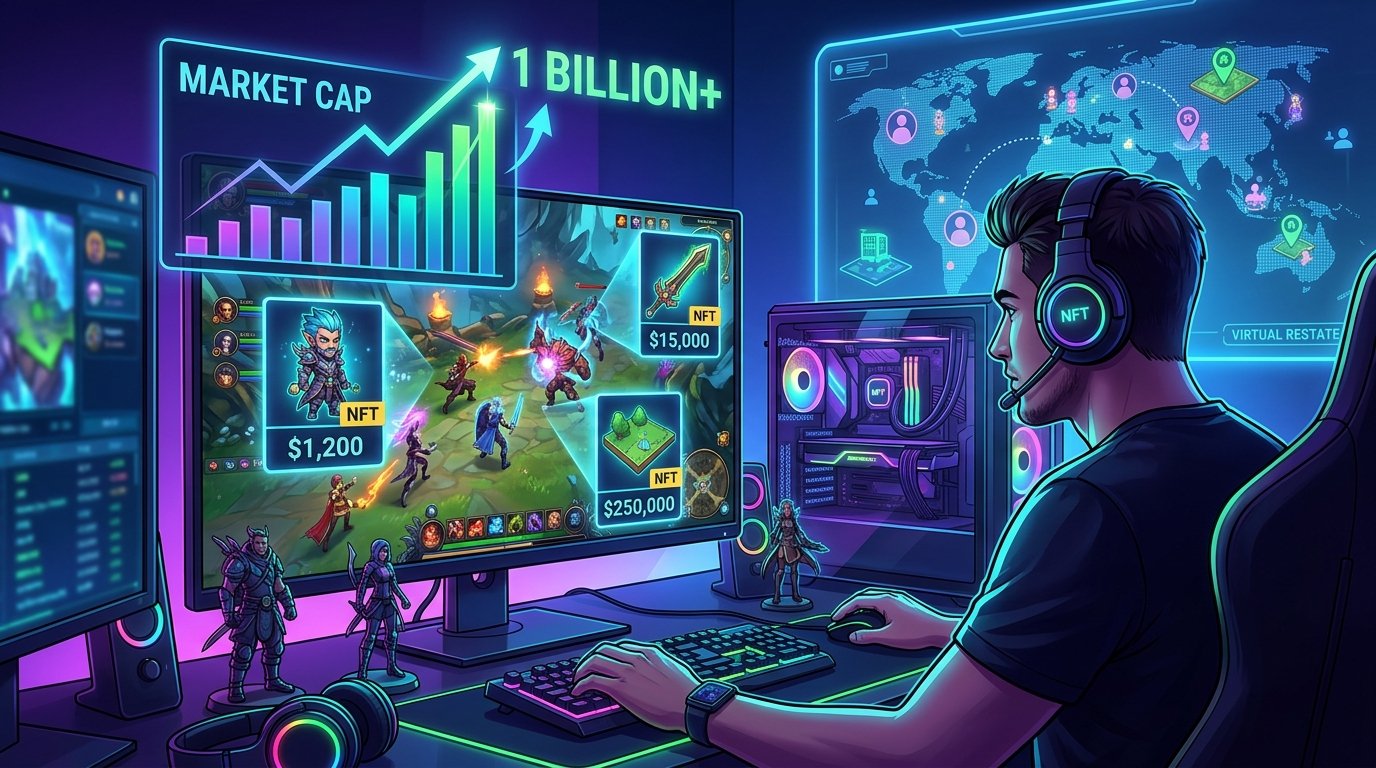
The gaming sector is arguably the biggest reason many analysts believe NFTs are far from dead. Blockchain gaming has matured significantly, moving beyond simplistic “play-to-earn” systems into immersive digital worlds with sustainable economies.
Major gaming studios are now exploring NFT integrations carefully rather than aggressively promoting speculative assets. Gamers increasingly value interoperability, meaning items earned in one game could eventually be usable across multiple virtual ecosystems.
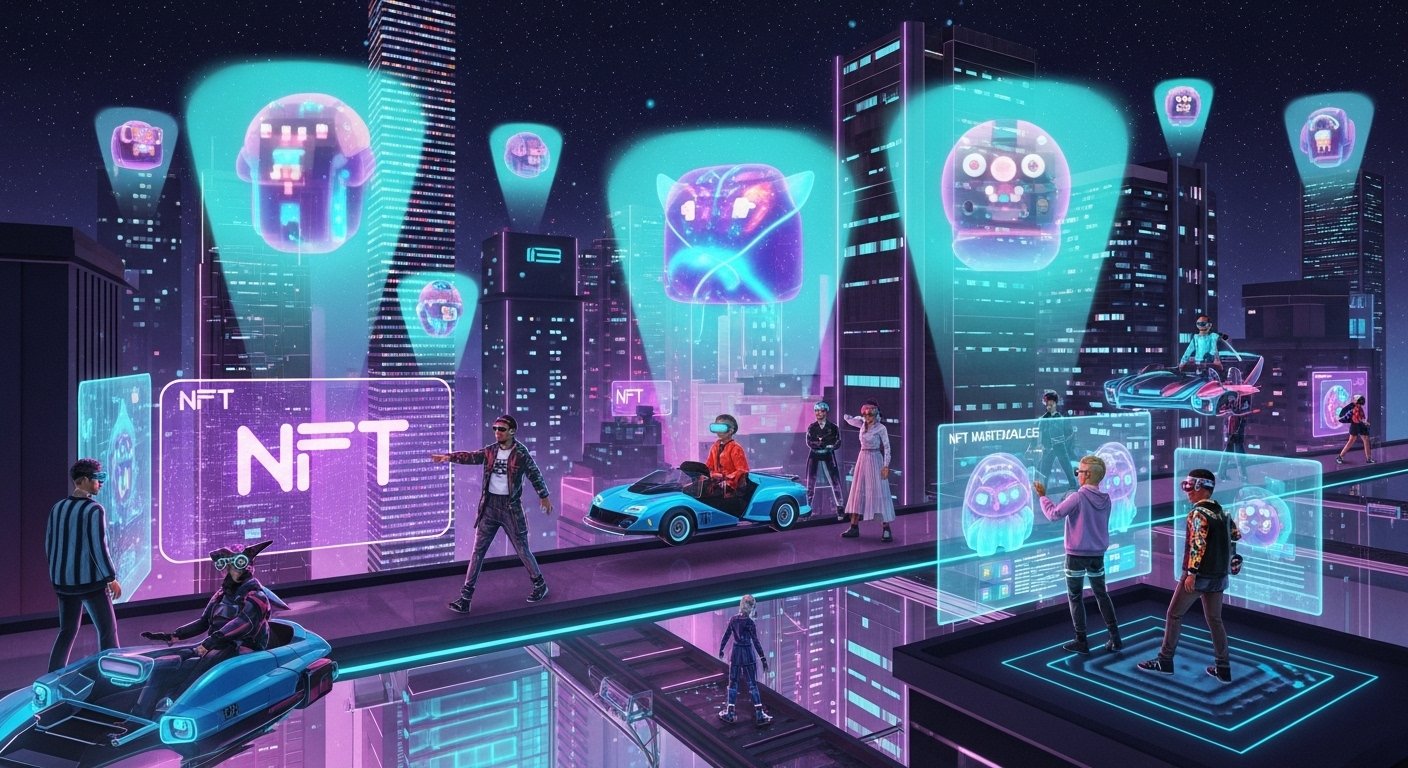
The rise of the metaverse has also contributed to renewed NFT relevance. Virtual worlds depend heavily on digital ownership, and NFTs provide the infrastructure needed for decentralized assets. Players can own avatars, land, digital fashion, and rare collectibles with transparent blockchain verification.
As gaming communities grow worldwide, particularly in Asia and emerging crypto markets, blockchain gaming NFTs may become one of the most important drivers of mass adoption.
How Brands and Companies Are Using NFTs in 2026
Many global companies that initially experimented with NFTs during the hype cycle have returned with more practical strategies. Instead of focusing purely on collectibles, brands are now integrating NFTs into customer experiences.
Luxury fashion companies use NFTs for digital authentication and anti-counterfeit protection. Event organizers issue NFT-based tickets that reduce fraud while providing exclusive perks to attendees. Sports organizations offer tokenized fan memberships with access to unique experiences.
Even educational institutions are testing blockchain credentials stored as NFTs, allowing students to verify certifications globally without relying on centralized databases.
The increasing involvement of established companies suggests that NFT adoption in 2026 is transitioning from speculation toward infrastructure-level integration.
The Impact of Regulation on NFTs
Government regulations remain one of the biggest factors shaping the NFT market. During the early boom years, regulatory uncertainty created confusion regarding taxation, intellectual property rights, and securities classifications.
By 2026, many countries have introduced clearer frameworks for digital assets and blockchain ownership. This regulatory clarity has encouraged institutional participation and reduced risks for businesses entering the NFT sector.
At the same time, stricter laws are forcing low-quality and fraudulent projects out of the market. While some traders see regulation as restrictive, many experts believe it is necessary for long-term industry stability.
Clearer compliance standards may help transform NFTs from speculative internet trends into recognized components of the digital economy.
Are NFT Art Collections Still Relevant?
Digital art remains an important part of NFT culture, but the market has matured dramatically. Instead of random collections with little artistic value, collectors are now focusing on creators with strong communities, unique styles, and long-term reputations.
Museum exhibitions and traditional art institutions have also started acknowledging blockchain-based art as a legitimate category. Hybrid ownership models combining physical and digital experiences are becoming increasingly popular among collectors.
Although the era of instant millionaire JPEG flips has largely ended, NFT digital art still maintains cultural and technological importance. The difference is that buyers now prioritize authenticity, utility, and artistic significance rather than short-term hype.
Why Web3 Needs NFTs for Digital Ownership
The broader Web3 vision depends heavily on decentralized ownership systems, and NFTs play a central role in that infrastructure. Without NFTs, users cannot truly own digital assets across decentralized environments.
Web3 platforms aim to give users more control over identity, data, content, and online interactions. NFTs support this vision by enabling provable ownership without relying on centralized corporations.
For example, decentralized social media platforms can use NFTs as identity credentials or creator verification tools. Online communities may issue NFT memberships that grant governance rights or exclusive access.
This expanding utility is why many developers still see NFT technology as essential to the future internet.
Challenges Facing NFTs in 2026
Despite renewed optimism, NFTs still face major obstacles. Scalability issues, environmental concerns, market manipulation, and user experience problems continue affecting mainstream adoption.
Many newcomers still find crypto wallets and blockchain interactions complicated. Simplifying onboarding processes will be critical for expanding NFT accessibility beyond crypto-native audiences.
Scams and rug pulls also remain a concern. While security tools have improved, fraudulent projects still damage public perception. Building trust will require stronger transparency standards and better consumer education.
Additionally, some critics argue that NFT markets remain overly dependent on broader cryptocurrency trends. If crypto experiences another major downturn, NFT activity could once again decline significantly.
These risks highlight the importance of focusing on sustainable innovation rather than speculative mania.
Will NFTs Replace Traditional Ownership Systems?
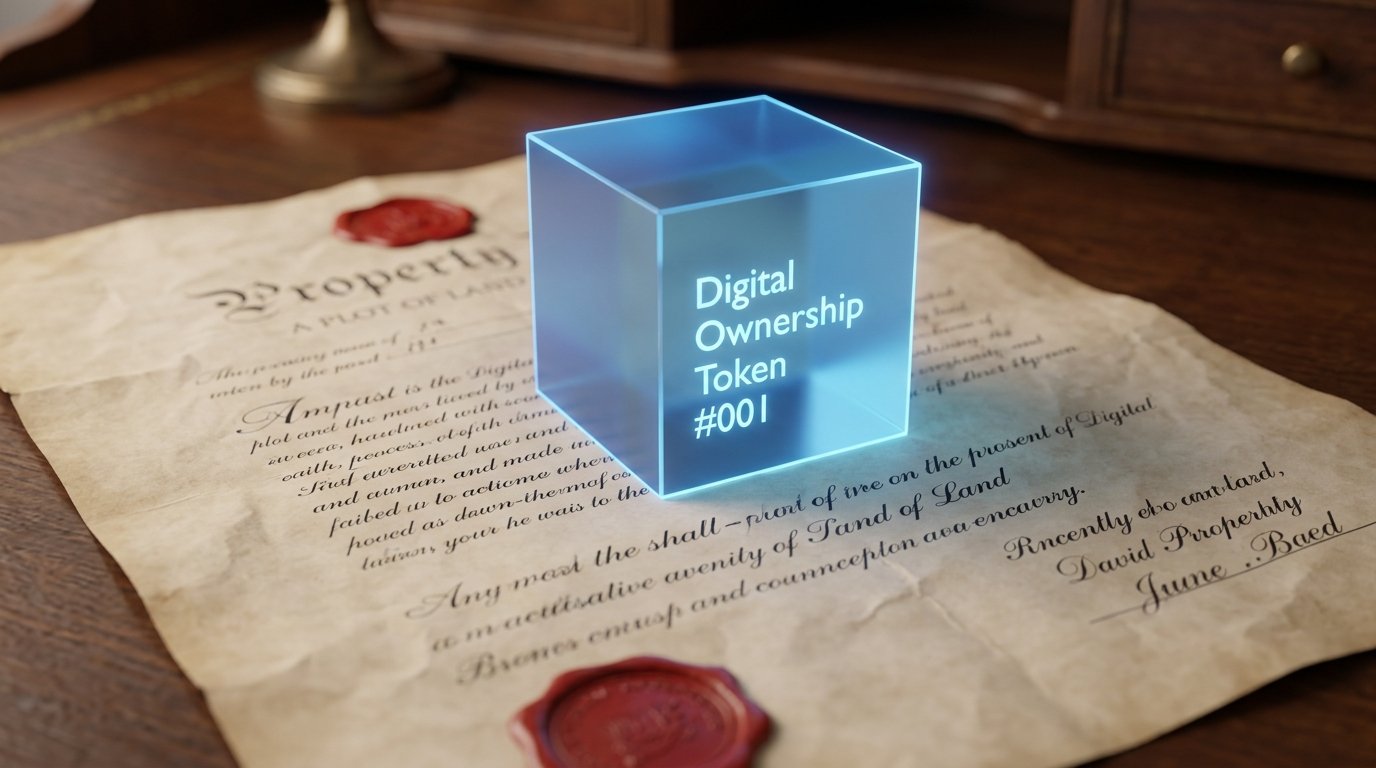
NFT supporters believe blockchain ownership could eventually transform industries far beyond entertainment and gaming. Real estate documents, legal agreements, intellectual property rights, supply chain verification, and medical records could all benefit from tokenized ownership systems.
For instance, NFT-based property records could reduce fraud while simplifying global transactions. Intellectual property creators may gain stronger protection and automated royalty systems through blockchain integration.
Although widespread adoption may still take years, the technology’s long-term potential extends far beyond collectible images. The evolution of NFT utility suggests the market is moving toward infrastructure development rather than temporary hype cycles.
The Future Outlook for NFTs
The future of NFTs likely depends on one critical factor: usefulness. The projects that survive will be those providing genuine value, seamless user experiences, and integration into everyday digital life.
Institutional interest is slowly returning as blockchain infrastructure becomes more scalable and energy-efficient. Layer-2 networks and cheaper transaction systems are reducing costs while improving accessibility for mainstream users.
Younger generations growing up in digital-first environments are also more comfortable with virtual ownership. As online identities become increasingly important, NFTs may naturally fit into evolving internet cultures.
Instead of another speculative explosion, the next phase of NFTs in 2026 may involve slower but healthier growth driven by practical adoption.
Conclusion
The story of NFTs in 2026 is not simply about hype returning or disappearing forever. Instead, the industry is evolving into something far more practical and sustainable. While speculative mania has faded, the underlying technology continues gaining relevance across gaming, AI, digital identity, entertainment, and decentralized ownership systems.
NFTs are no longer just expensive collectibles for crypto enthusiasts. They are becoming tools for authentication, community engagement, creator monetization, and virtual economies. Challenges still exist, but the shift toward utility-based adoption signals that NFTs may be entering their most important phase yet.
Whether you are an investor, creator, gamer, or blockchain enthusiast, now is the perfect time to closely watch the future of NFTs in 2026. Stay informed, explore emerging projects carefully, and prepare for the next evolution of digital ownership in the Web3 era.