
As of 8th February 2026, blockchain has evolved from a niche technology associated mainly with cryptocurrencies into a transformative force across multiple industries. Initially popularized by Bitcoin, blockchain is now being adopted by governments, enterprises, startups, and even non-profit organizations to solve complex problems related to transparency, security, and trust. The rapid pace of innovation has made blockchain a cornerstone of digital transformation strategies worldwide.
The significance of blockchain lies in its decentralized nature, which eliminates the need for intermediaries while ensuring data integrity. From finance to healthcare, supply chain management to digital identity, blockchain is reshaping how data is stored, verified, and shared. Businesses are no longer asking whether they should adopt blockchain but rather how they can integrate it effectively into their operations.This article explores blockchain in detail, covering its core concepts, technological foundations, emerging trends in 2026, real-world applications, benefits, challenges, and future outlook. Whether you are a beginner or someone looking to deepen your understanding, this comprehensive guide will provide valuable insights into the world of blockchain.
What is Blockchain?
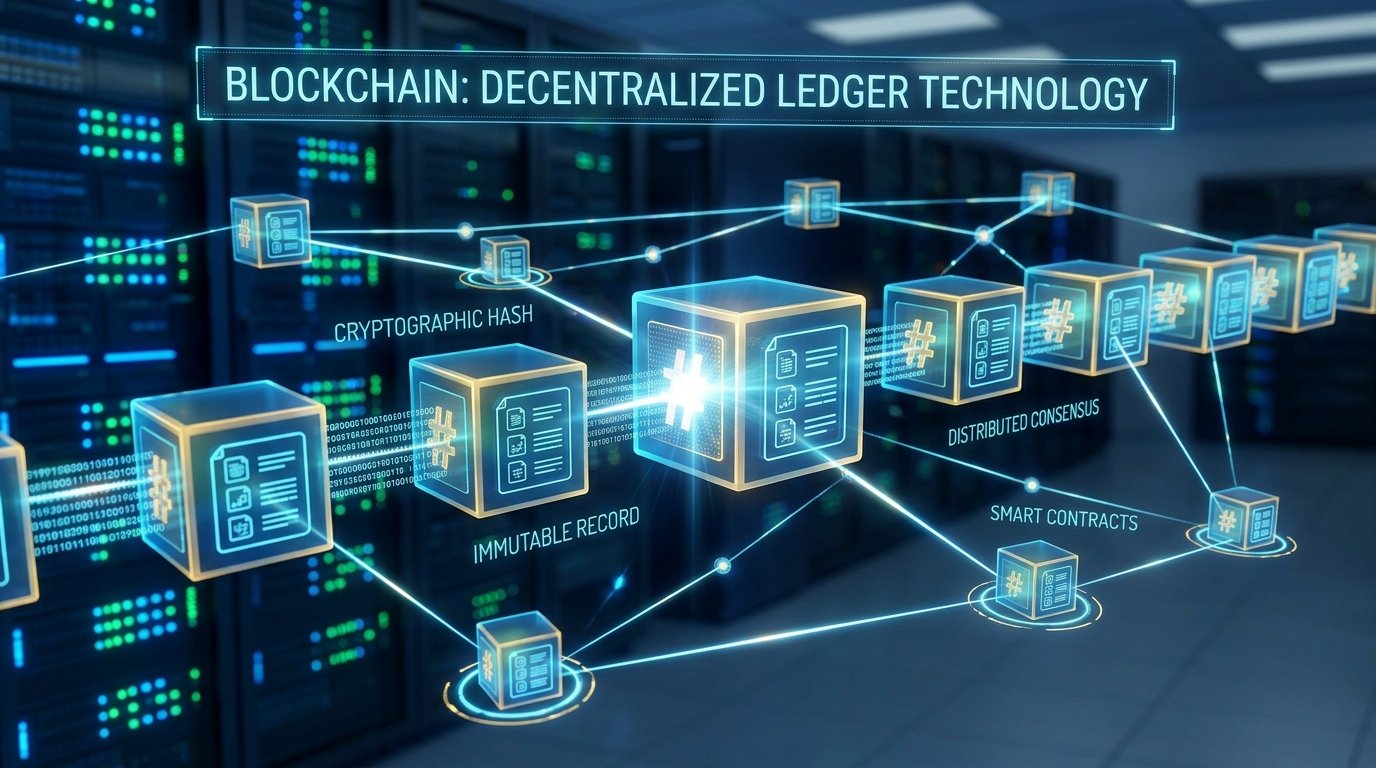
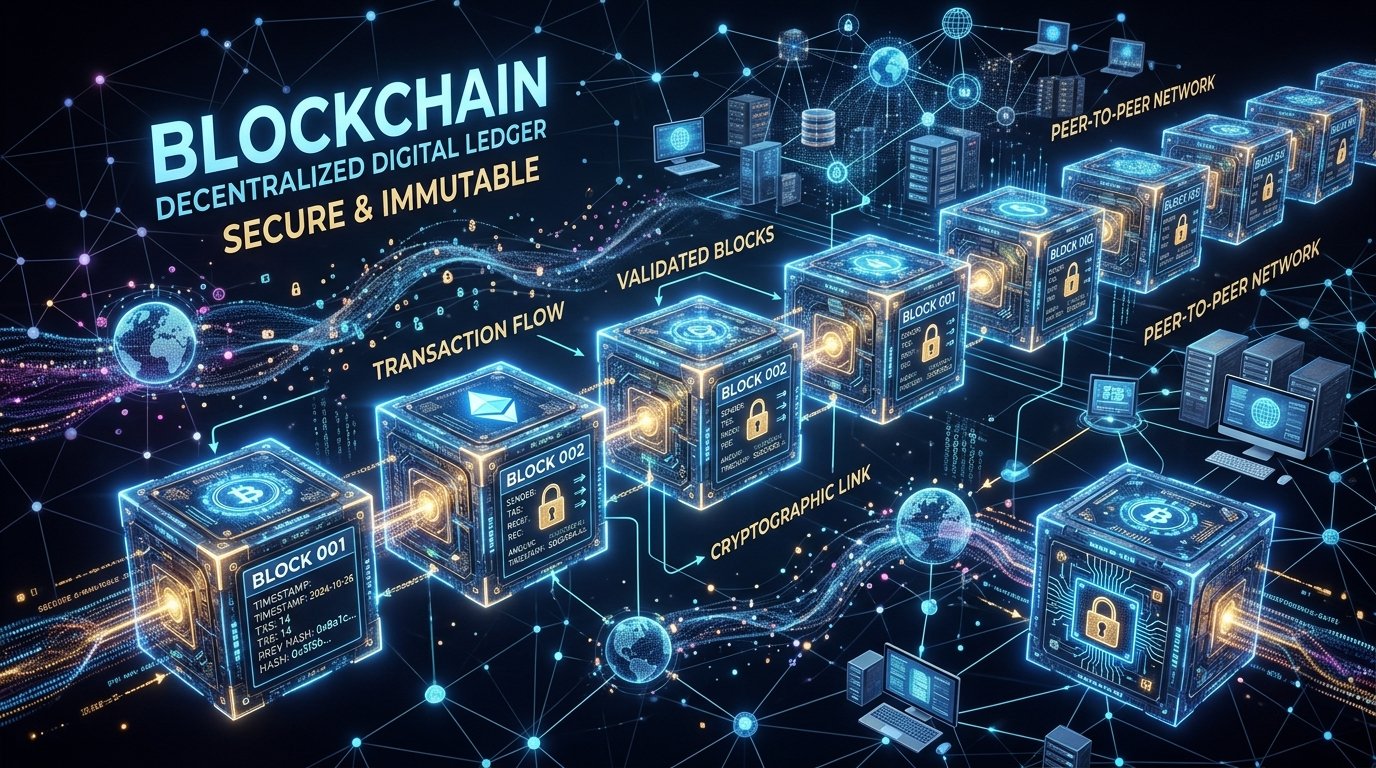
Blockchain is a distributed ledger technology that records transactions across multiple computers in a secure and transparent manner. Each record, known as a block, is linked to the previous one, forming a chain. This structure ensures that once data is recorded, it cannot be altered without changing all subsequent blocks, making blockchain highly secure.
How Blockchain Works
At its core, blockchain operates on a decentralized network of nodes. When a transaction occurs, it is verified by multiple participants in the network through consensus mechanisms. Once validated, the transaction is added to a block and permanently recorded on the blockchain.
The decentralization of blockchain ensures that no single entity has control over the entire network. This eliminates the risk of manipulation and increases trust among users. Cryptographic techniques further enhance security, ensuring that data remains tamper-proof.
Key Components of Blockchain
Blockchain consists of several essential components that work together seamlessly. These include distributed ledgers, consensus algorithms, smart contracts, and cryptographic security. Each component plays a crucial role in maintaining the integrity and efficiency of the system.
Distributed ledgers ensure that all participants have access to the same data, promoting transparency. Consensus algorithms validate transactions, while smart contracts automate processes without the need for intermediaries. Cryptography safeguards data and ensures secure transactions.
Evolution of Blockchain Technology

Blockchain has undergone significant evolution since its inception. What started as the underlying technology for cryptocurrencies has now become a versatile solution for various industries.
Blockchain 1.0: Cryptocurrency Era
The first phase of blockchain was primarily focused on digital currencies like Bitcoin. During this period, blockchain was mainly used for peer-to-peer financial transactions without the involvement of banks.
Blockchain 2.0: Smart Contracts
The introduction of smart contracts marked the beginning of Blockchain 2.0. Platforms like Ethereum enabled developers to build decentralized applications, expanding the use cases of blockchain beyond finance.
Blockchain 3.0: Enterprise Adoption
Blockchain 3.0 brought widespread adoption across industries such as healthcare, logistics, and finance. Enterprises began leveraging blockchain for secure data sharing, supply chain tracking, and identity verification.
Blockchain 2026: Integration and Innovation
In 2026, blockchain has entered a new phase characterized by integration with emerging technologies like artificial intelligence, Internet of Things, and cloud computing. This convergence is unlocking new possibilities and driving innovation at an unprecedented scale.
Key Features of Blockchain
Blockchain technology offers several unique features that distinguish it from traditional systems.
Decentralization
Decentralization is one of the defining characteristics of blockchain. Unlike traditional centralized systems, blockchain distributes control across multiple participants, reducing the risk of single points of failure.
Transparency
All transactions recorded on a blockchain are visible to participants, ensuring transparency. This feature is particularly useful in industries where accountability is crucial.
Security
Blockchain employs advanced cryptographic techniques to secure data. Once a transaction is recorded, it becomes nearly impossible to alter, ensuring data integrity.
Immutability
Immutability means that data stored on the blockchain cannot be changed. This feature ensures that records remain permanent and trustworthy.
Real-World Applications of Blockchain in 2026
Blockchain is no longer limited to theoretical use cases. In 2026, it is actively being used across various sectors.
Blockchain in Finance
The financial industry has been one of the earliest adopters of blockchain. Banks and financial institutions use blockchain for faster and more secure transactions. Cross-border payments, which traditionally took days, can now be completed within minutes using blockchain technology.
Blockchain in Healthcare
In healthcare, blockchain is being used to securely store and share patient records. This ensures data privacy while enabling seamless access for authorized professionals. Blockchain also helps in tracking pharmaceuticals, reducing the risk of counterfeit drugs.
Blockchain in Supply Chain
Supply chain management has greatly benefited from blockchain. Companies use blockchain to track products from origin to destination, ensuring transparency and authenticity. This is particularly important in industries like food and pharmaceuticals.
Blockchain in Digital Identity
Digital identity is another area where blockchain is making a significant impact. Blockchain-based identity systems provide individuals with control over their personal data, reducing the risk of identity theft.
Blockchain in Real Estate
The real estate sector is leveraging blockchain for property transactions. Smart contracts simplify the buying and selling process, reducing paperwork and eliminating intermediaries.
Benefits of Blockchain Technology
Blockchain offers numerous advantages that make it an attractive solution for businesses and individuals alike.
Increased Efficiency
Blockchain streamlines processes by eliminating intermediaries and automating transactions through smart contracts. This leads to faster and more efficient operations.
Cost Reduction
By removing the need for intermediaries, blockchain reduces operational costs. Businesses can save money on transaction fees and administrative expenses.
Enhanced Security
The decentralized and encrypted nature of blockchain ensures high levels of security. This makes it ideal for handling sensitive data.
Improved Transparency
Blockchain provides a transparent system where all transactions are recorded and visible. This builds trust among participants and reduces the risk of fraud.
Challenges Facing Blockchain in 2026
Despite its many advantages, blockchain also faces several challenges that need to be addressed.
Scalability Issues
One of the major challenges of blockchain is scalability. As the number of users increases, the network can become slower and less efficient.
Regulatory Uncertainty
Governments around the world are still working on regulations for blockchain technology. This uncertainty can hinder adoption and innovation.
Energy Consumption
Some blockchain networks consume significant amounts of energy, raising environmental concerns. Efforts are being made to develop more energy-efficient solutions.
Lack of Awareness
While blockchain is gaining popularity, there is still a lack of understanding among the general public. Education and awareness are crucial for widespread adoption.
Future Trends of Blockchain
Blockchain continues to evolve, and several trends are shaping its future in 2026 and beyond.
Integration with Artificial Intelligence
The integration of blockchain with artificial intelligence is creating new opportunities. AI can analyze blockchain data, while blockchain ensures data integrity.
Growth of Decentralized Finance
Decentralized finance, also known as DeFi, is expanding rapidly. Blockchain-based financial services are providing users with greater control over their assets.
Rise of Web3
Web3 represents the next generation of the internet, built on blockchain technology. It aims to create a decentralized and user-centric digital ecosystem.
Adoption by Governments
Governments are increasingly exploring blockchain for applications such as digital currencies, voting systems, and public records management.
Blockchain and Digital Transformation
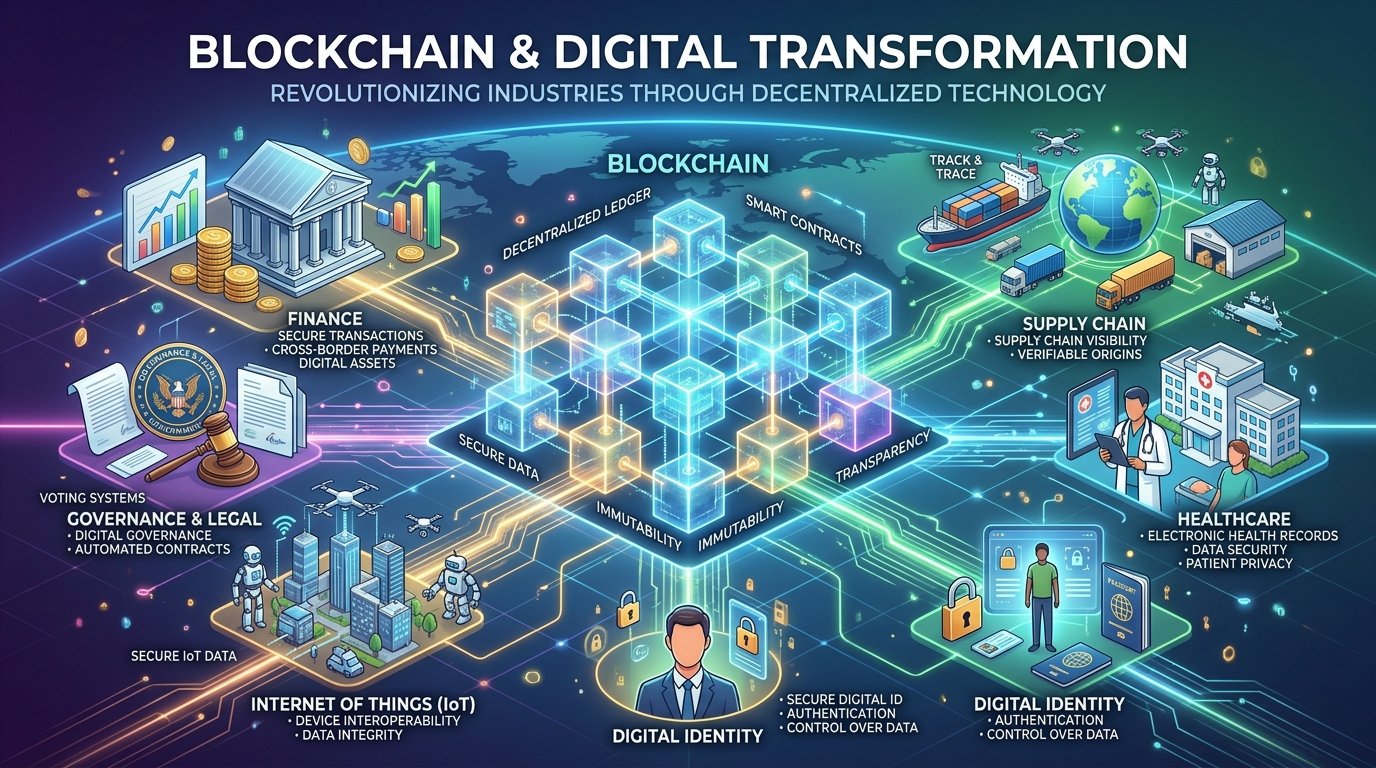
Blockchain plays a crucial role in digital transformation by enabling secure and efficient data management. Organizations are leveraging blockchain to modernize their operations and stay competitive in a rapidly changing environment.The ability of blockchain to provide trust and transparency makes it a valuable tool for digital transformation initiatives. As businesses continue to embrace digital technologies, blockchain will remain a key component of their strategies.
Conclusion
Blockchain has come a long way since its early days as the backbone of cryptocurrencies. In 2026, it stands as a powerful and versatile technology with the potential to transform industries and redefine how data is managed and shared. Its decentralized nature, combined with transparency and security, makes it an ideal solution for addressing many of the challenges faced by traditional systems.
While there are still hurdles to overcome, such as scalability and regulatory issues, the future of blockchain looks promising. As innovation continues and adoption grows, blockchain will play an increasingly important role in shaping the digital landscape.For businesses and individuals alike, understanding blockchain is no longer optional. It is a necessity in a world that is rapidly moving towards decentralization and digitalization.
FAQs
What is blockchain in simple terms?
Blockchain is a digital ledger that records transactions securely and transparently across multiple computers, making it difficult to alter data.
Why is blockchain important in 2026?
Blockchain is important because it enhances security, transparency, and efficiency across various industries, making it a key technology in digital transformation.
Is blockchain only used for cryptocurrencies?
No, blockchain is used in many fields such as healthcare, supply chain, finance, and digital identity, not just cryptocurrencies.
What are smart contracts in blockchain?
Smart contracts are self-executing programs stored on a blockchain that automatically perform actions when predefined conditions are met.
What is the future of blockchain?
The future of blockchain includes integration with AI, growth of decentralized finance, and widespread adoption across industries and governments.




One thought on “Blockchain in 2026: Future, Trends & Use Cases”