Blockchain Technology in 2026: Transforming the Future of Digital Innovation

As of February 25, 2026, Blockchain Technology has evolved from a niche concept associated primarily with cryptocurrencies into one of the most influential innovations shaping the global digital economy. Businesses, governments, financial institutions, and technology leaders are increasingly investing in Blockchain Technology to improve transparency, security, efficiency, and trust across numerous industries.
The rapid growth of digital transformation has accelerated demand for decentralized systems capable of handling large volumes of secure transactions. From banking and healthcare to supply chain management and digital identity verification, Blockchain Technology is providing solutions to challenges that traditional systems have struggled to overcome for decades.
The rise of Web3 technology, smart contracts, decentralized finance (DeFi), and tokenized assets demonstrates how blockchain has become a foundational technology for the next generation of the internet. As organizations seek greater transparency and security in data management, blockchain continues to gain momentum worldwide.This article explores the current state of Blockchain Technology, its applications, benefits, challenges, and future prospects in 2026.
What Is Blockchain Technology?
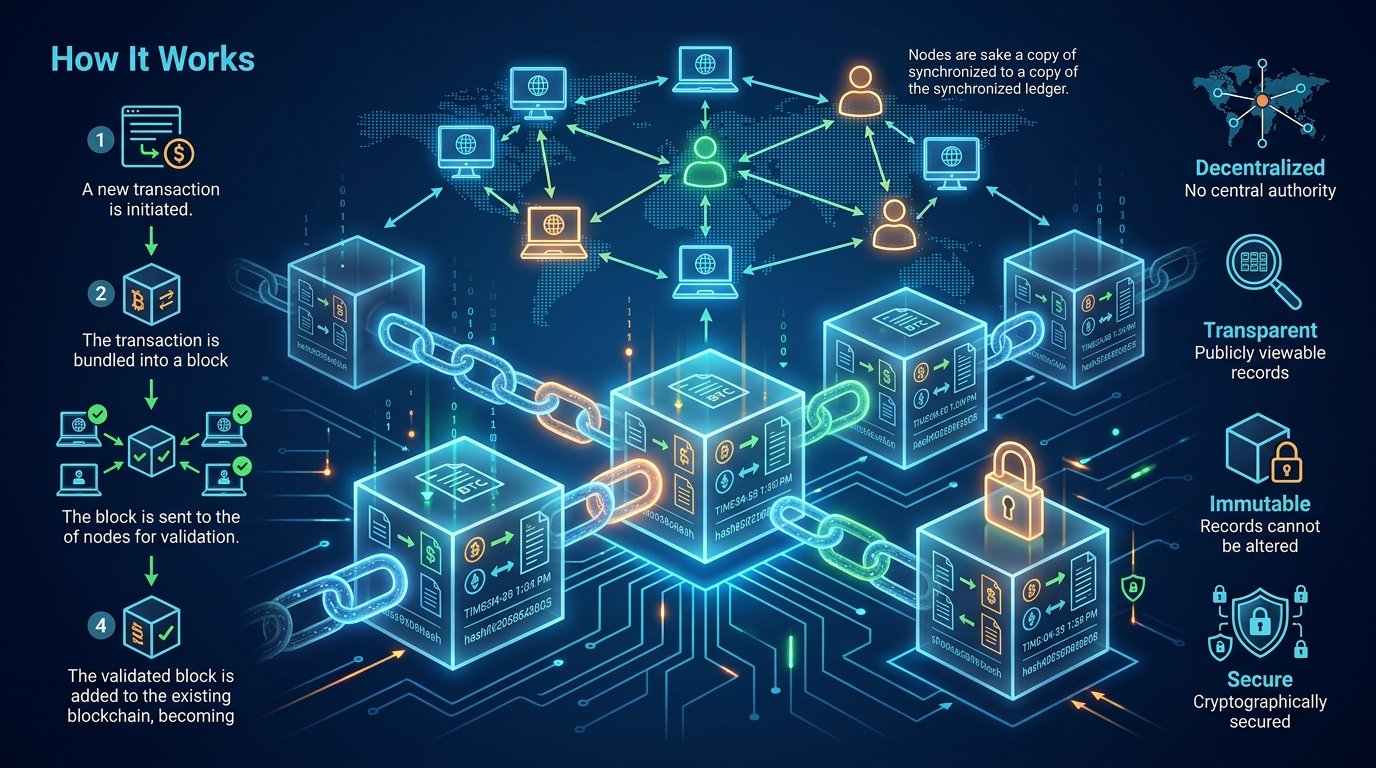
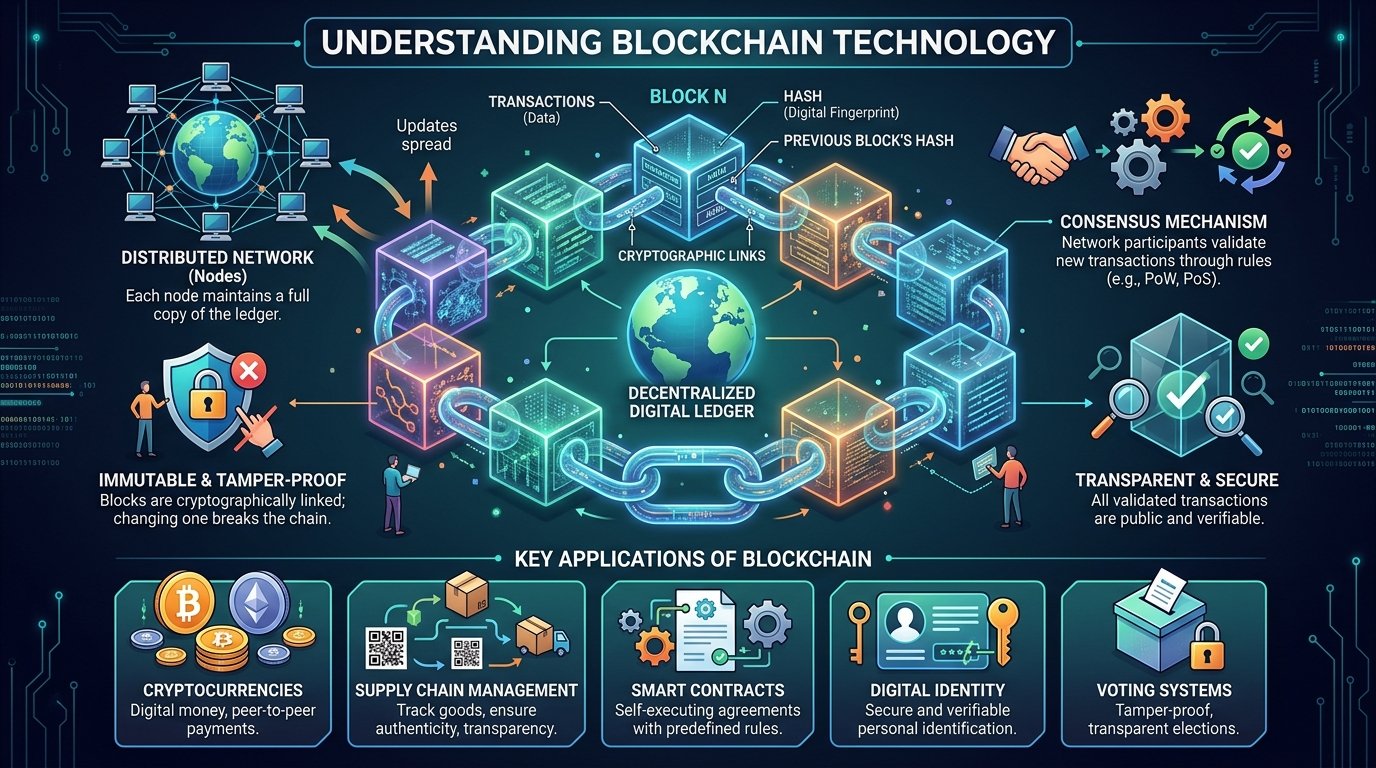
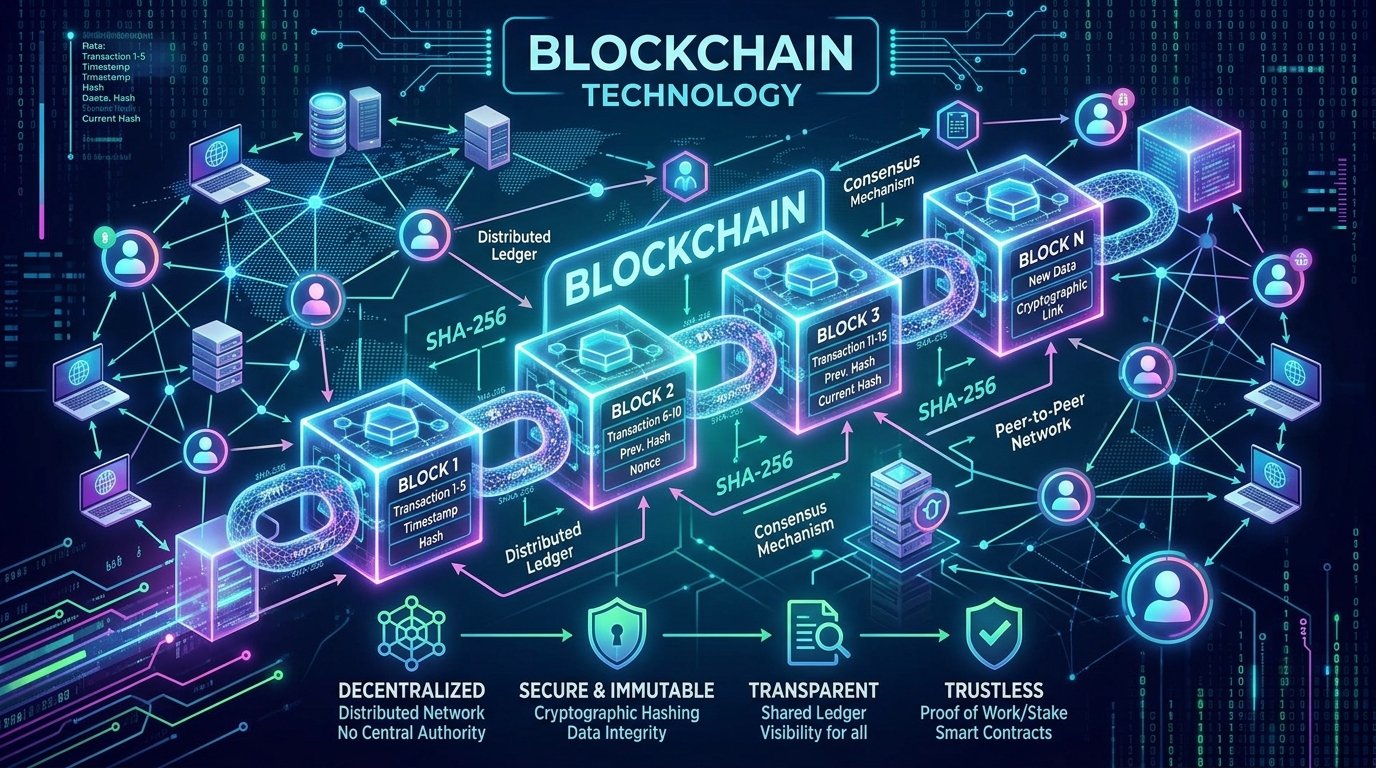
Blockchain Technology is one of the most transformative innovations of the digital age, fundamentally changing the way information is stored, verified, and shared across networks. Unlike traditional databases that rely on centralized authorities to manage and validate records, blockchain operates through a decentralized system in which data is distributed across multiple computers. Every transaction or piece of information added to the network is recorded in a block, and each block is cryptographically linked to the previous one, creating a secure and immutable chain of records. This structure makes it extremely difficult for unauthorized parties to alter data, which is one of the reasons blockchain has gained widespread attention across industries worldwide.
In 2026, Blockchain Technology is no longer limited to cryptocurrency transactions. Organizations are utilizing blockchain to improve transparency, strengthen cybersecurity, reduce operational costs, and streamline complex business processes. Financial institutions use blockchain to facilitate faster payments, healthcare providers leverage it to secure patient records, and supply chain companies depend on it to track products from manufacturing to delivery. The growing adoption of blockchain demonstrates its ability to solve real-world challenges related to trust, security, and efficiency. As digital transformation continues to accelerate, blockchain is becoming a critical foundation for modern technological infrastructure and the next generation of internet-based services.
How Blockchain Technology Is Changing Global Industries

The impact of Blockchain Technology extends far beyond the financial sector, influencing nearly every major industry around the world. In healthcare, blockchain enables secure sharing of patient information while maintaining privacy and regulatory compliance. Medical providers often struggle with fragmented data systems, but blockchain offers a unified and secure approach to managing health records. This can lead to faster diagnoses, improved patient care, and more efficient communication between healthcare institutions. Similarly, pharmaceutical companies are using blockchain to combat counterfeit drugs by tracking products throughout the supply chain and verifying authenticity at every stage.
The logistics and supply chain sector has also experienced significant improvements through blockchain adoption. Companies can now monitor products in real time from the point of origin to the final destination, increasing transparency and reducing the risk of fraud. In the financial industry, blockchain has introduced faster settlement systems, decentralized finance platforms, and improved security mechanisms that reduce reliance on intermediaries. Governments are also exploring blockchain-based solutions for digital identity management, voting systems, and public record maintenance. These developments highlight how Blockchain Technology is becoming an essential tool for organizations seeking greater efficiency, trust, and accountability in an increasingly digital world.
How Blockchain Technology Is Changing Global Industries
Blockchain Technology has evolved far beyond its original association with cryptocurrencies and digital assets. In 2026, it stands as one of the most transformative technologies influencing nearly every major industry across the globe. Organizations are increasingly seeking solutions that provide transparency, security, efficiency, and trust in a rapidly digitalizing world. Traditional systems often depend on centralized databases, intermediaries, and complex verification processes that can slow operations and increase costs. Blockchain introduces a decentralized approach that allows information to be recorded, verified, and shared securely among multiple participants without relying on a single controlling authority.
As global industries continue embracing digital transformation, blockchain has emerged as a powerful tool capable of solving longstanding operational challenges. From financial services and healthcare to supply chain management, real estate, education, and government administration, blockchain is creating new opportunities for innovation while improving the reliability of existing systems. The technology’s ability to establish trust through transparent and immutable records has attracted businesses, regulators, and technology leaders worldwide. As a result, blockchain is no longer viewed as an experimental concept but as a practical solution with real-world applications that are reshaping industries and redefining how organizations operate.
Blockchain Technology Is Transforming the Financial Industry
The financial sector has been one of the earliest and most significant adopters of Blockchain Technology. Traditional banking systems often rely on multiple intermediaries to process transactions, verify records, and facilitate international payments. These processes can be time-consuming, costly, and vulnerable to inefficiencies. Blockchain addresses many of these issues by enabling secure peer-to-peer transactions that can be verified and recorded without the need for multiple intermediaries. This has the potential to significantly reduce transaction costs while improving processing speed and transparency.
Financial institutions around the world are increasingly integrating blockchain solutions into their operations to modernize payment systems and improve customer experiences. International money transfers that previously required several business days can now be completed in a matter of minutes through blockchain-powered networks. Furthermore, decentralized finance, commonly known as DeFi, has introduced a new model for financial services where users can access lending, borrowing, trading, and investment opportunities directly through blockchain-based platforms. These innovations are creating more inclusive financial ecosystems and expanding access to financial services for individuals who may have been underserved by traditional banking systems. As blockchain adoption continues to grow, the financial industry is expected to experience even greater efficiency, transparency, and innovation.
Blockchain Technology Is Revolutionizing Healthcare
The healthcare industry faces numerous challenges related to data security, interoperability, patient privacy, and administrative efficiency. Healthcare providers often store patient information across multiple systems, making it difficult to access comprehensive medical records when needed. Blockchain Technology offers a solution by creating secure and decentralized platforms where patient data can be stored, shared, and verified without compromising privacy. This enables healthcare professionals to access accurate information while ensuring that sensitive records remain protected from unauthorized access.
Beyond medical records, blockchain is also transforming pharmaceutical supply chains and clinical research. Counterfeit medications remain a significant concern worldwide, but blockchain enables every stage of a product’s journey to be recorded and verified. This increases transparency and helps ensure that patients receive authentic medications. In clinical trials, blockchain can improve trust by creating immutable records of research data, reducing the risk of manipulation and strengthening confidence in scientific findings. These applications demonstrate how blockchain is helping healthcare organizations improve patient outcomes, enhance operational efficiency, and build more secure healthcare ecosystems.
Blockchain Technology Is Reshaping Supply Chain Management
Supply chain management is another area where Blockchain Technology is delivering substantial benefits. Modern supply chains involve numerous stakeholders, including manufacturers, suppliers, distributors, logistics providers, and retailers. Coordinating activities across these participants can be challenging, particularly when information is fragmented across different systems. Blockchain creates a shared and transparent record that allows all authorized participants to track products and transactions throughout the supply chain.
This increased visibility improves accountability and reduces the risk of fraud, errors, and delays. Companies can monitor products from the point of origin to the final consumer, ensuring authenticity and compliance with quality standards. Consumers also benefit from greater transparency because they can verify information about product sourcing, manufacturing processes, and transportation conditions. As businesses seek to improve operational efficiency and meet growing consumer expectations for transparency, blockchain is becoming an increasingly valuable tool for supply chain optimization.
Blockchain Technology Is Transforming Real Estate
The real estate industry has traditionally relied on extensive paperwork, intermediaries, and manual verification processes. Property transactions often involve lengthy procedures that can increase costs and create opportunities for disputes. Blockchain Technology is transforming real estate by introducing secure digital records that simplify property ownership verification and transaction management. Through blockchain-based systems, ownership records can be stored permanently and transparently, reducing the likelihood of fraud and disputes.
Additionally, blockchain enables the tokenization of real estate assets, allowing properties to be divided into digital tokens that represent fractional ownership. This innovation has the potential to make real estate investment more accessible to a broader range of investors by lowering entry barriers and increasing liquidity. Smart contracts can further streamline transactions by automatically executing agreements when predefined conditions are met. These developments are modernizing the real estate sector and creating new opportunities for property owners, investors, and developers.
Blockchain Technology Is Changing Education Systems
Educational institutions are increasingly exploring the use of Blockchain Technology to improve record management and credential verification. Academic records such as diplomas, certificates, and transcripts are traditionally stored in centralized databases that may be vulnerable to loss, tampering, or fraud. Blockchain provides a secure and immutable solution for storing educational credentials, allowing students and employers to verify qualifications quickly and accurately.
This capability is particularly valuable in a global workforce where employers often need to verify credentials from institutions located in different countries. Blockchain-based credential systems reduce administrative burdens while enhancing trust and transparency. Furthermore, educational institutions can use blockchain to support lifelong learning by maintaining secure records of skills, certifications, and professional development achievements. As digital education continues to expand, blockchain is expected to play an important role in creating more efficient and reliable academic ecosystems.
Blockchain Technology Is Influencing Government Services
Governments around the world are investigating how Blockchain Technology can improve public services and strengthen trust in government operations. One of the most promising applications involves digital identity management. Blockchain-based identity systems allow individuals to maintain secure and verifiable digital identities, reducing the risk of fraud while improving access to government services.
Blockchain can also enhance transparency in areas such as public procurement, land registration, and voting systems. By creating immutable records of transactions and decisions, governments can improve accountability and reduce opportunities for corruption. In some regions, blockchain is being explored as a tool for modernizing administrative processes and increasing citizen engagement. As governments continue seeking innovative ways to improve efficiency and trust, blockchain is likely to become an increasingly important component of digital governance strategies.
Blockchain Technology Is Driving the Future of Manufacturing
Manufacturing companies are embracing Blockchain Technology to improve production processes, quality control, and supply chain visibility. Manufacturing operations often involve complex networks of suppliers and partners, making it difficult to track materials and ensure compliance with quality standards. Blockchain enables manufacturers to create transparent records of every stage of production, from raw material sourcing to final product delivery.
This visibility helps identify inefficiencies, reduce waste, and improve product quality. Manufacturers can also use blockchain to verify the authenticity of components and ensure compliance with regulatory requirements. As industries increasingly adopt automation and Industry 4.0 technologies, blockchain is expected to serve as a critical infrastructure layer supporting secure and transparent manufacturing ecosystems.
Blockchain Technology Is Transforming Media and Entertainment
The media and entertainment industry is experiencing significant disruption through the adoption of Blockchain Technology. Content creators often face challenges related to copyright protection, revenue distribution, and ownership verification. Blockchain provides a transparent system for managing digital rights and ensuring that creators receive fair compensation for their work.
Through blockchain-based platforms, artists, musicians, writers, and filmmakers can establish direct relationships with audiences while maintaining greater control over their intellectual property. Non-fungible tokens (NFTs) have introduced new opportunities for digital ownership and monetization, enabling creators to sell unique digital assets directly to consumers. These innovations are reshaping how content is produced, distributed, and monetized in the digital age.
Blockchain Technology and the Rise of Web3
The emergence of Web3 technology has created a new wave of innovation, and Blockchain Technology serves as its foundational infrastructure. Web3 represents a vision of the internet where users have greater control over their data, digital identities, and online assets. Unlike traditional internet platforms that rely heavily on centralized organizations, Web3 applications are built on decentralized networks powered by blockchain. This shift aims to create a more transparent and user-centric digital ecosystem where individuals can participate without surrendering ownership of their information.
One of the key advantages of Web3 is the concept of digital ownership. Through blockchain-based systems, users can securely own and transfer digital assets such as cryptocurrencies, non-fungible tokens (NFTs), and tokenized real-world assets. Content creators, artists, and developers benefit from direct interaction with their audiences without depending entirely on large technology platforms. Furthermore, decentralized applications enable innovative financial services, social networks, and gaming ecosystems that operate with greater transparency and community governance. As investment in Web3 continues to grow, Blockchain Technology is expected to remain at the center of this transformation, shaping the future of how people interact online.
Blockchain Technology in Healthcare


The healthcare industry is experiencing a significant transformation through the adoption of Blockchain Technology in 2026. Hospitals, pharmaceutical companies, insurance providers, and healthcare researchers are searching for more secure and efficient ways to manage sensitive medical information. Traditional healthcare databases often suffer from data silos, security vulnerabilities, and limited interoperability between institutions. These challenges can lead to delays in treatment, increased administrative costs, and potential risks to patient privacy. Blockchain introduces a decentralized framework that enables healthcare organizations to securely store and share information while maintaining transparency and compliance with regulatory standards.
One of the most important applications of Blockchain Technology in healthcare is the management of electronic medical records. Patients can gain greater control over their personal data while healthcare providers receive secure access to accurate medical histories when authorized. This reduces duplicate testing, improves diagnostic accuracy, and strengthens collaboration between medical professionals. Additionally, blockchain is helping pharmaceutical companies track medicines throughout the supply chain, reducing counterfeit drug distribution and improving patient safety. As healthcare systems continue to digitize globally, blockchain is expected to become a foundational technology supporting secure, transparent, and patient-centric healthcare ecosystems.
Secure Management of Electronic Health Records
One of the most important applications of Blockchain Technology in Healthcare is the secure management of electronic health records. Traditional healthcare systems often store patient information in separate databases, making it difficult for hospitals and clinics to access complete medical histories. Blockchain creates a decentralized and tamper-resistant system where patient records can be securely stored and accessed by authorized healthcare providers. This improves accuracy, reduces administrative errors, and ensures that critical medical information is available when needed. By maintaining a transparent and immutable record of healthcare data, blockchain helps build trust between patients and medical institutions.
Improving Patient Data Privacy and Security
Protecting sensitive patient information has become a major priority for healthcare organizations worldwide. Data breaches and cyberattacks can expose confidential medical records, causing financial and reputational damage. Blockchain Technology enhances security through encryption and decentralized storage, making unauthorized access significantly more difficult. Patients can also gain greater control over who can view or share their medical information. This patient-centered approach improves privacy while ensuring compliance with healthcare regulations and data protection standards.
Blockchain-Based Medical Data Sharing
Healthcare providers frequently need to exchange patient information to deliver effective treatment. However, fragmented systems often create delays and inefficiencies in data sharing. Blockchain enables secure and seamless communication between hospitals, clinics, laboratories, and specialists by creating a single source of verified information. Authorized healthcare professionals can access accurate medical records in real time, reducing duplication of tests and improving treatment decisions. This enhanced collaboration contributes to better patient outcomes and more efficient healthcare delivery.
Reducing Healthcare Fraud Through Blockchain
Fraud remains a significant challenge in the healthcare industry, costing organizations billions of dollars each year. False insurance claims, inaccurate billing practices, and manipulated medical records can create substantial financial losses. Blockchain provides a transparent and immutable ledger that records every transaction and update, making fraudulent activities easier to detect and prevent. Since information stored on the blockchain cannot be altered without network consensus, healthcare organizations can maintain accurate records and strengthen accountability throughout the system.
Pharmaceutical Supply Chain Transparency
The pharmaceutical industry relies on complex supply chains involving manufacturers, distributors, pharmacies, and healthcare providers. Tracking products across multiple stages can be challenging, increasing the risk of errors and inefficiencies. Blockchain Technology in Healthcare improves supply chain transparency by recording every movement of pharmaceutical products on a shared ledger. Stakeholders can verify the origin, handling, and delivery of medications, ensuring that products reach patients safely and efficiently. This level of visibility helps healthcare organizations maintain quality standards and improve operational performance.
Preventing Counterfeit Medicines with Blockchain
Counterfeit medicines pose a serious threat to public health and patient safety. Fake drugs can contain incorrect ingredients, improper dosages, or harmful substances that endanger lives. Blockchain helps address this issue by providing a secure and verifiable record of every product’s journey through the supply chain. Healthcare providers and consumers can authenticate medications by reviewing blockchain-based tracking information. This increased transparency makes it more difficult for counterfeit products to enter the market and helps protect patients from dangerous treatments.
Smart Contracts in Healthcare Administration
Smart contracts are self-executing agreements stored on blockchain networks that automatically perform actions when specific conditions are met. In healthcare administration, smart contracts can streamline processes such as appointment scheduling, billing, payments, and regulatory compliance. By automating routine tasks, healthcare organizations can reduce paperwork, minimize human error, and improve efficiency. Smart contracts also enhance transparency because all participating parties can verify the terms and execution of agreements without relying on intermediaries.
Blockchain Technology for Health Insurance Processing
Health insurance claims often involve lengthy verification procedures and administrative delays. Blockchain can simplify these processes by creating secure and transparent records that insurers and healthcare providers can access in real time. Claims can be verified more quickly, reducing processing times and improving customer satisfaction. Smart contracts can further automate claim approvals and payments when predefined conditions are met. As a result, insurance companies can reduce operational costs while providing a more efficient experience for policyholders.
Clinical Trials and Research Data Verification
Medical research depends on accurate and trustworthy data. In clinical trials, maintaining data integrity is essential for ensuring reliable results and regulatory compliance. Blockchain provides a secure platform for recording research findings, patient consent forms, and trial outcomes. Since records cannot be modified without authorization, researchers can demonstrate the authenticity of their data and reduce concerns about manipulation. This increased transparency strengthens confidence in scientific studies and supports more effective collaboration between research institutions.
Enhancing Interoperability Between Healthcare Systems
Many healthcare organizations use different software systems that struggle to communicate with one another. This lack of interoperability can create inefficiencies and limit access to important patient information. Blockchain offers a standardized framework that enables secure data exchange across multiple platforms. By improving interoperability, healthcare providers can coordinate care more effectively, reduce administrative burdens, and ensure that patients receive timely treatment. Better connectivity between healthcare systems ultimately contributes to a more integrated and efficient healthcare ecosystem.
Blockchain-Powered Telemedicine Solutions
The growth of telemedicine has transformed healthcare delivery by allowing patients to consult doctors remotely. However, virtual healthcare services require secure methods for managing patient information and verifying identities. Blockchain supports telemedicine by providing secure storage for medical records, consultation histories, and digital prescriptions. This ensures that sensitive information remains protected while allowing healthcare professionals to access the data they need. As telemedicine continues to expand, blockchain is expected to play an increasingly important role in supporting secure and reliable remote healthcare services.
Digital Identity Management for Patients
Accurate patient identification is critical for delivering safe and effective healthcare. Traditional identity systems can be vulnerable to errors, duplication, and fraud. Blockchain-based digital identity solutions allow patients to maintain a secure and verifiable healthcare identity that can be accessed across different medical institutions. This reduces administrative complications, improves patient experiences, and strengthens trust in healthcare systems. Digital identity management also supports personalized healthcare services by ensuring that providers have access to accurate patient information.
The Benefits of Blockchain Technology in Healthcare
The adoption of Blockchain Technology in Healthcare offers numerous advantages, including enhanced security, improved transparency, greater efficiency, and better patient outcomes. Healthcare organizations can reduce operational costs while maintaining accurate and trustworthy records. Patients benefit from increased control over their personal information and improved access to healthcare services. By addressing longstanding challenges related to data management and interoperability, blockchain has the potential to transform healthcare systems on a global scale.
Challenges of Implementing Blockchain in Healthcare
Despite its many benefits, blockchain implementation in healthcare is not without challenges. Organizations may face technical complexities, high initial investment costs, and regulatory uncertainties. Integrating blockchain with existing healthcare infrastructure can also be difficult, particularly for large institutions with legacy systems. Additionally, ensuring compliance with data protection laws requires careful planning and governance. Overcoming these challenges will be essential for achieving widespread adoption and maximizing the benefits of blockchain technology.
Future of Blockchain Technology in Healthcare in 2026
The future of Blockchain Technology in Healthcare appears highly promising as innovation continues to accelerate. Healthcare providers, governments, and technology companies are investing in blockchain-based solutions to improve patient care and operational efficiency. Emerging technologies such as artificial intelligence, wearable health devices, and personalized medicine are expected to integrate with blockchain systems, creating new opportunities for innovation. As adoption increases and technological barriers are addressed, blockchain is likely to become a foundational component of modern healthcare infrastructure, supporting a more secure, transparent, and patient-focused healthcare ecosystem.
Conclusion
As we move further into 2026, Blockchain Technology continues to establish itself as one of the most influential innovations driving global digital transformation. What began as the underlying technology for cryptocurrencies has evolved into a powerful solution capable of improving transparency, security, efficiency, and trust across countless industries. From financial services and healthcare to supply chain management, digital identity systems, and Web3 applications, blockchain is helping organizations overcome long-standing challenges while creating new opportunities for growth and innovation. Its decentralized nature, combined with advanced cryptographic security, makes it an attractive choice for businesses and governments seeking reliable and future-ready digital infrastructure.
The rapid adoption of Blockchain Technology in 2026 demonstrates that the technology is no longer an experimental concept but a practical tool with real-world value. As organizations continue investing in blockchain-powered solutions, the technology is expected to play an even greater role in shaping the future of commerce, communication, and digital ownership. While challenges such as scalability, regulation, and widespread adoption still exist, ongoing technological advancements are steadily addressing these concerns. For businesses, investors, developers, and technology enthusiasts, understanding and embracing Blockchain Technology today can provide a significant advantage in the evolving digital economy. If you want to stay ahead of emerging trends and participate in the next generation of innovation, now is the perfect time to explore the full potential of Blockchain Technology and its transformative impact on the world.
See More:Leveraging Blockchain Technology for Renewable Energy Costs

Post Comment