The rise of artificial intelligence in blockchain technology is transforming how investors, developers, and crypto analysts interact with decentralized ecosystems. One of the most exciting developments is Binance AI Agent Skills, particularly in the area of Web3 data analysis. As blockchain networks continue expanding, users now require smarter tools capable of processing large amounts of on-chain information, identifying market trends, and automating decision-making processes.
The combination of AI and Web3 is creating a new digital economy where intelligent agents can analyze wallet behavior, monitor decentralized finance activities, detect fraud risks, and provide predictive insights. Binance AI Agent Skills are becoming increasingly important because they allow users to interpret complex blockchain data in real time while improving trading strategies and operational efficiency.With the rapid growth of decentralized applications, NFTs, GameFi, and DeFi ecosystems, AI-powered analytics tools are no longer optional. They are becoming essential. This article explores how Binance AI Agent Skills work, their role in Web3 data analysis, their benefits, future applications, and why they could shape the future of blockchain intelligence.
What Are Binance AI Agent Skills?
Binance AI Agent Skills refer to a set of artificial intelligence capabilities designed to work within blockchain and Web3 environments to analyze data, automate tasks, and improve decision-making in crypto ecosystems. These AI-powered skills allow intelligent agents to process large volumes of on-chain information, understand market behavior, and assist users with trading, security, and blockchain analytics in real time.At their core, Binance AI Agent Skills combine artificial intelligence, machine learning, and blockchain data processing. This combination enables AI agents to interpret complex Web3 data such as wallet transactions, smart contract activity, liquidity movements, and token flows. Instead of manually analyzing blockchain records, users can rely on AI systems that convert raw data into clear, actionable insights.One of the key functions of these AI skills is Web3 data analysis. Blockchain networks generate massive amounts of transparent data every second, and AI agents are designed to detect patterns, trends, and anomalies within this information. This helps traders and investors understand market movements more effectively and make faster decisions in volatile crypto environments.Another important aspect of Binance AI Agent Skills is automation. These AI systems can perform tasks without human intervention, such as monitoring portfolios, tracking token performance, analyzing market conditions, and generating real-time alerts. This reduces manual effort and allows users to focus more on strategy rather than constant market tracking.
Security is also a major component. AI agents can detect suspicious wallet behavior, identify potential scams, and monitor unusual transaction patterns across blockchain networks. This improves protection against fraud, hacking attempts, and malicious smart contract activity, which are common risks in decentralized ecosystems.In addition, these AI skills are becoming increasingly important in decentralized finance. DeFi platforms rely on accurate data and real-time decision-making, and AI agents help optimize liquidity, manage lending risks, and improve yield strategies. This makes decentralized financial systems more efficient and stable.Binance AI Agent Skills also support predictive analytics. By using machine learning models, AI systems can analyze historical blockchain data and identify potential future trends in price movement, trading volume, and user activity. While predictions are not guaranteed, they provide valuable insights for investors navigating unpredictable crypto markets.Another growing feature is cross-chain intelligence. As Web3 expands across multiple blockchains such as Ethereum, BNB Chain, Solana, and Polygon, AI agents are being designed to analyze and connect data across all these networks. This gives users a more complete understanding of the global blockchain ecosystem.Overall, Binance AI Agent Skills represent the evolution of blockchain intelligence, where artificial intelligence enhances every aspect of Web3—from trading and analytics to security and automation. As these systems continue to develop, they are expected to become essential tools for anyone participating in the future of decentralized technology.
Why Binance AI Agent Skills Matter in Web3
The rapid expansion of Web3 has created a digital environment where decentralized applications, blockchain networks, and crypto assets generate enormous amounts of real-time data. In this complex ecosystem, Binance AI Agent Skills are becoming increasingly important because they help transform raw blockchain information into meaningful intelligence that users, traders, and businesses can actually use.One of the main reasons these AI capabilities matter is their ability to simplify Web3 data analysis. Blockchain networks produce transparent but highly technical data, including wallet transactions, smart contract executions, liquidity movements, and token transfers. Without AI, understanding this data requires advanced technical knowledge and constant monitoring. Binance AI Agent Skills solve this problem by automatically analyzing on-chain activity and presenting it in a clear, actionable format that supports faster decision-making.Another key reason they matter is efficiency in decision-making. The crypto market operates 24/7, and prices can change rapidly based on global events, whale activity, or liquidity shifts. AI agents help users stay ahead by monitoring markets continuously and identifying trends in real time. This allows traders and investors to respond quickly rather than relying on delayed manual analysis.Security is also a major factor. Web3 ecosystems are highly innovative but also vulnerable to scams, hacks, and fraudulent projects. Binance AI Agent Skills play an important role in detecting suspicious behavior, identifying abnormal wallet activity, and flagging potential risks before they escalate. This helps improve trust in decentralized systems and reduces financial losses for users.Another important aspect is automation. Many Web3 tasks such as tracking portfolios, analyzing tokens, or monitoring DeFi protocols can be repetitive and time-consuming. AI agents automate these processes, reducing manual workload and allowing users to focus on strategy rather than constant monitoring. This is especially valuable in fast-moving crypto markets.
DeFi platforms also benefit significantly from AI integration. Binance AI Agent Skills help optimize liquidity management, improve lending strategies, and reduce risk exposure in decentralized finance ecosystems. By analyzing real-time market conditions, AI systems can support more stable and efficient financial operations.Cross-chain complexity is another reason these AI skills are essential. Web3 is no longer limited to a single blockchain. Networks like Ethereum, BNB Chain, Solana, and Polygon all operate simultaneously, creating fragmented data environments. AI agents can analyze multiple blockchains at once, providing users with a unified view of market activity and helping them understand broader ecosystem trends.Predictive insights also make Binance AI Agent Skills highly valuable. Using machine learning models, AI systems can identify historical patterns and generate forecasts related to price movement, trading volume, and market sentiment. While not perfect, these insights help investors make more informed decisions in uncertain markets.Another reason they matter is accessibility. Web3 can be overwhelming for beginners due to its technical complexity. AI agents simplify the experience by offering natural language explanations, automated insights, and easy-to-understand analytics. This lowers the entry barrier and encourages wider adoption of blockchain technology.Overall, Binance AI Agent Skills are becoming a core part of the Web3 ecosystem because they combine intelligence, automation, and security into a single system. As decentralized technologies continue to grow, these AI capabilities will play an even more critical role in shaping how users interact with blockchain networks, manage digital assets, and participate in the future of the internet.
Binance AI Agent Skills in Web3 Data Analysis
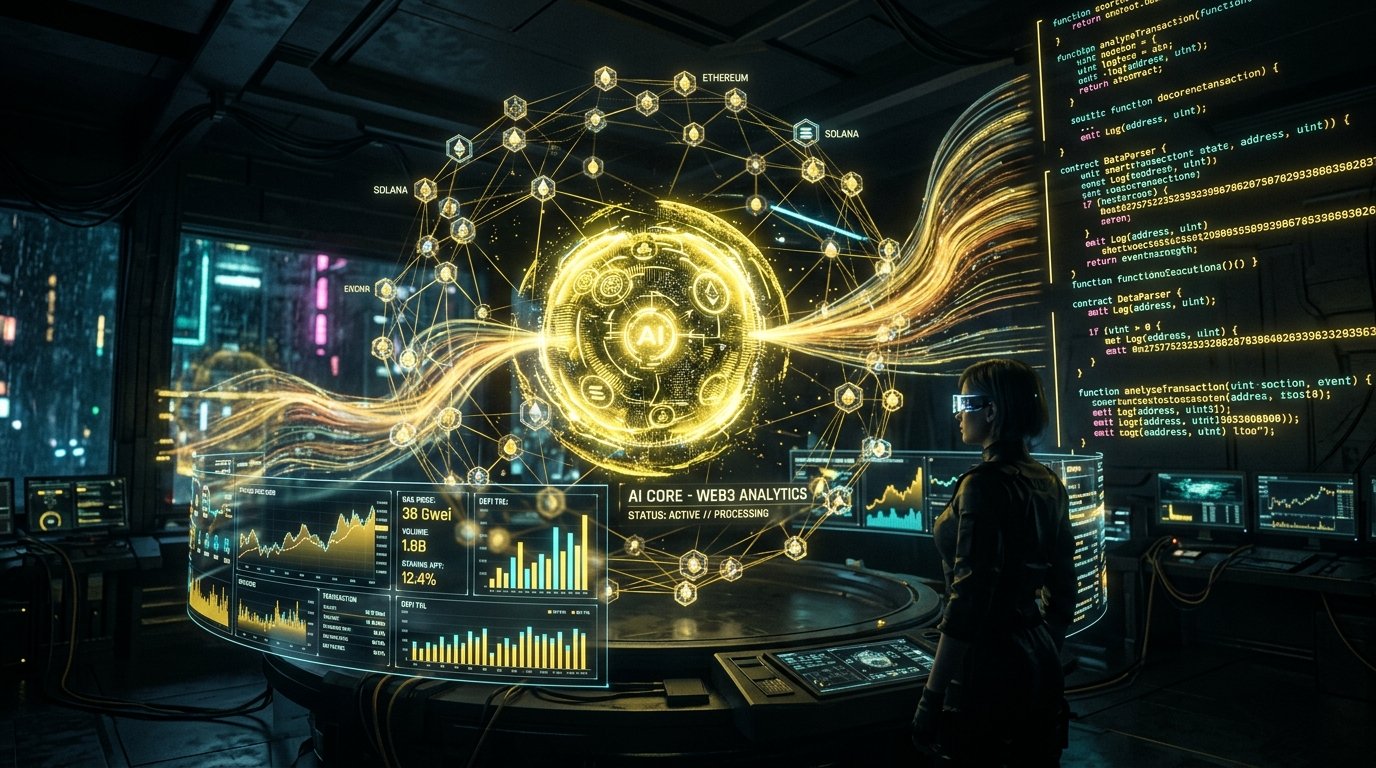
The rise of decentralized technologies has made blockchain data one of the most valuable resources in the digital economy. Every transaction, wallet interaction, smart contract execution, and liquidity movement creates a continuous stream of information. However, this data is extremely complex and difficult to interpret without advanced tools. This is where Binance AI Agent Skills in Web3 Data Analysis are becoming a major innovation, transforming raw blockchain activity into structured, actionable intelligence.At its core, Binance AI Agent Skills in Web3 Data Analysis refer to the use of artificial intelligence systems designed to process and interpret on-chain data in real time. Instead of manually scanning blockchain explorers or analyzing charts, AI agents automatically collect data from multiple blockchain networks, identify patterns, and generate meaningful insights that help users understand market behavior more clearly.
One of the most powerful aspects of these AI skills is their ability to process massive volumes of on-chain data instantly. Web3 ecosystems generate millions of transactions across networks such as Ethereum, BNB Chain, Solana, and Polygon. Human analysis alone cannot keep up with this speed and scale. AI agents solve this limitation by continuously monitoring blockchain activity and extracting relevant signals from noise.Another important function of Binance AI Agent Skills in Web3 Data Analysis is behavioral tracking. AI systems can analyze wallet behavior over time, identify whale movements, and detect accumulation or distribution patterns in token markets. This helps traders and investors understand whether large players are buying, selling, or holding assets, which often signals upcoming market trends.Predictive analytics is also a key feature of AI-driven Web3 data systems. By using machine learning models, AI agents study historical blockchain data and market cycles to forecast potential future movements. While predictions are never guaranteed, they provide valuable insights that help users reduce risk and improve decision-making in volatile crypto environments.Security analysis is another critical part of Web3 data processing. AI agents can detect unusual transaction patterns, suspicious wallet activity, and potential scam behavior. For example, sudden liquidity withdrawals or abnormal token transfers can be flagged early, helping users avoid rug pulls or fraudulent projects.In decentralized finance, Binance AI Agent Skills in Web3 Data Analysis are especially useful for optimizing performance. AI systems can monitor liquidity pools, analyze yield farming strategies, and evaluate lending risks in real time. This enables DeFi platforms to operate more efficiently while reducing exposure to financial instability.
Cross-chain analysis is another advanced capability. As blockchain ecosystems expand beyond a single network, AI agents can aggregate and analyze data from multiple chains simultaneously. This provides a unified view of the entire Web3 landscape, helping users identify broader market trends instead of isolated network behavior.Another important benefit is data simplification. Blockchain data is highly technical and often difficult for beginners to understand. AI agents transform this complex information into clear dashboards, summaries, and insights that are easy to interpret. This makes Web3 more accessible to a wider audience, including new investors and non-technical users.Machine learning plays a central role in improving these systems over time. As AI agents process more blockchain data, they become better at recognizing patterns, improving accuracy, and adapting to changing market conditions. This continuous learning process enhances the overall quality of Web3 data analysis.In addition, Binance AI Agent Skills in Web3 Data Analysis support real-time monitoring, which is essential in fast-moving crypto markets. Users can receive instant alerts about significant market changes, whale activity, or unusual blockchain events, allowing them to react quickly and strategically.Overall, Binance AI Agent Skills in Web3 Data Analysis are reshaping how blockchain information is interpreted and used. By combining artificial intelligence with decentralized data systems, they provide faster insights, improved security, better predictions, and greater accessibility. As Web3 continues to expand, these AI-powered analytics tools will play a critical role in shaping the future of digital finance and blockchain intelligence.
How AI Is Transforming Web3 Ecosystems
The integration of artificial intelligence into blockchain technology is fundamentally reshaping how decentralized systems operate, interact, and evolve. Web3 was originally designed to create a more transparent and user-controlled internet, but the addition of AI is pushing it into a new phase where automation, intelligence, and real-time decision-making are becoming core features. This transformation is not just improving efficiency; it is redefining the structure of digital ecosystems.One of the most significant changes AI brings to Web3 ecosystems is intelligent data processing. Blockchain networks produce massive amounts of on-chain data, including transactions, smart contract executions, liquidity movements, and wallet interactions. On its own, this data is complex and difficult to interpret. AI systems now analyze this information continuously, turning raw blockchain activity into meaningful insights that help users understand market behavior and ecosystem trends.AI is also transforming how decentralized finance operates. In traditional DeFi systems, users manually manage lending, borrowing, staking, and yield farming strategies. With AI integration, these processes are becoming increasingly automated. Intelligent systems can monitor market conditions, adjust liquidity strategies, and optimize returns while managing risk exposure in real time. This shift is making DeFi more efficient, adaptive, and accessible to a wider audience.Security is another major area where AI is reshaping Web3 ecosystems. Blockchain environments are highly transparent, but they are also vulnerable to scams, hacks, and smart contract vulnerabilities. AI-powered monitoring systems can detect unusual transaction patterns, identify suspicious wallet activity, and flag potential threats before they escalate. This proactive approach significantly improves trust and safety across decentralized platforms.The rise of Binance AI Agent Skills reflects how deeply AI is being integrated into blockchain intelligence systems. These AI agents can analyze market data, track cross-chain activity, and provide predictive insights that help users make more informed decisions. As these systems evolve, they are expected to become even more autonomous, capable of executing complex tasks without human intervention.
Another major transformation is the personalization of Web3 experiences. AI can analyze user behavior, trading history, and preferences to create customized dashboards, recommendations, and insights. This makes decentralized applications easier to use and more relevant to individual users, improving overall engagement and adoption.Cross-chain intelligence is also becoming a defining feature of AI-driven Web3 ecosystems. As blockchain networks expand across platforms like Ethereum, BNB Chain, Solana, and Polygon, AI systems are needed to connect and interpret data from multiple chains simultaneously. This unified view of blockchain activity allows users to better understand global market trends instead of isolated network data.AI is also improving the functionality of NFTs and digital assets. Intelligent systems can evaluate NFT rarity, analyze market demand, detect fake trading activity, and forecast collection trends. This helps investors and creators make more informed decisions in a rapidly evolving digital asset space.Machine learning plays a crucial role in all these advancements. AI models continuously learn from historical blockchain data, improving their accuracy and adaptability over time. As Web3 ecosystems grow more complex, machine learning ensures that AI systems remain effective in analyzing patterns and responding to changing market conditions.Another important transformation is the simplification of blockchain interactions. AI-powered assistants are making it easier for users to interact with decentralized applications through natural language commands. Instead of navigating complex interfaces, users can simply instruct AI agents to execute transactions, analyze portfolios, or provide market insights.Overall, AI is transforming Web3 ecosystems into smarter, more automated, and more secure environments. The combination of blockchain transparency and artificial intelligence is creating a powerful foundation for the next generation of the internet. As technologies like Binance AI Agent Skills continue to evolve, Web3 is expected to become more intelligent, efficient, and widely adopted across industries worldwide.
Key Benefits of Binance AI Agent Skills
The rapid evolution of artificial intelligence in blockchain ecosystems has introduced powerful tools that are reshaping how users interact with digital assets. Among these innovations, Binance AI Agent Skills stand out as a major advancement because they combine automation, intelligence, and real-time blockchain analysis. These AI-driven systems are designed to simplify complex Web3 environments while improving decision-making, security, and efficiency across crypto markets.One of the most important benefits of Binance AI Agent Skills is faster and more accurate data analysis. Blockchain networks generate huge volumes of on-chain data every second, including transactions, wallet activity, liquidity movements, and smart contract interactions. AI agents can process this information instantly, turning raw blockchain data into meaningful insights that help traders and investors make better decisions.
Another major advantage is improved trading efficiency. AI-powered systems can analyze market trends, detect patterns, and identify opportunities much faster than human traders. This reduces delays in decision-making and allows users to respond quickly to market volatility. In highly competitive crypto environments, speed and accuracy can significantly impact profitability.Risk reduction is also a key benefit of Binance AI Agent Skills. These systems can identify suspicious activity, detect abnormal wallet behavior, and highlight potential scams or fraudulent projects. By continuously monitoring blockchain activity, AI agents help users avoid financial losses and improve overall safety within decentralized ecosystems.Automation is another important strength. AI agents can perform repetitive tasks such as monitoring portfolios, analyzing tokens, and tracking market conditions without human intervention. This reduces manual workload and allows users to focus on strategy and long-term planning instead of constant market observation.
Security improvement is another critical benefit. AI-driven blockchain systems can scan smart contracts for vulnerabilities, detect hacking attempts, and monitor suspicious transactions in real time. This creates a safer environment for users participating in decentralized finance, NFT trading, and other Web3 activities.Personalized insights are also becoming increasingly important. Binance AI Agent Skills can analyze user behavior, trading history, and preferences to provide customized recommendations. This helps investors build strategies that match their risk tolerance and financial goals, making Web3 platforms more user-friendly and accessible.Another key benefit is better market prediction. Using machine learning, AI agents can study historical data and identify patterns that may indicate future price movements or market trends. While predictions are never guaranteed, they provide valuable guidance for investors navigating volatile crypto markets.
Cross-chain analysis is also a growing advantage. As blockchain ecosystems expand across multiple networks, AI agents can track data from different chains simultaneously. This provides a more complete view of the market and helps users understand broader trends across the entire Web3 space.AI also enhances DeFi performance. In decentralized finance platforms, AI agents can optimize liquidity pools, manage lending risks, and improve yield strategies automatically. This makes DeFi systems more efficient and helps users maximize returns while minimizing risk exposure.Finally, Binance AI Agent Skills improve accessibility in the blockchain space. By simplifying complex data and offering natural language insights, AI systems make Web3 easier for beginners to understand. This encourages wider adoption and helps bridge the gap between traditional finance and decentralized technology.Overall, the benefits of Binance AI Agent Skills highlight how AI is transforming Web3 into a smarter, safer, and more efficient ecosystem. As these technologies continue to evolve, they will play an even bigger role in shaping the future of blockchain intelligence, automation, and digital finance.
The Future of Binance AI Agent Skills
The future of Binance AI Agent Skills is closely tied to the rapid evolution of artificial intelligence and the expanding Web3 ecosystem. As blockchain networks become more advanced and data-heavy, AI agents are expected to move beyond simple analytics tools and evolve into fully autonomous systems capable of managing, analyzing, and interacting with decentralized environments in real time. This shift is likely to redefine how users trade, invest, and engage with digital assets.One of the most significant future developments will be the rise of fully autonomous AI trading systems. Instead of simply generating signals or insights, next-generation AI agents will likely execute trades automatically based on real-time market conditions, on-chain data, and predictive models. These systems will continuously learn from market behavior, improving their decision-making accuracy over time while reducing human emotional bias in trading.
Another important direction is deeper integration with Web3 data analysis. Future Binance AI Agent Skills will not only analyze basic blockchain transactions but also interpret complex cross-chain activity, decentralized identity patterns, and smart contract ecosystems. This will allow users to gain a more complete understanding of market behavior across multiple blockchain networks such as Ethereum, BNB Chain, Solana, and Polygon.Security will also play a major role in the evolution of AI agents. Future systems are expected to become highly advanced in detecting fraud, preventing scams, and identifying vulnerabilities in smart contracts before they are exploited. These AI-driven security layers may operate in real time, protecting users and platforms from threats instantly and reducing financial losses in decentralized ecosystems.
The next generation of AI agents may also become highly personalized. Instead of offering general insights, Binance AI Agent Skills could evolve into personalized blockchain assistants that understand user behavior, investment preferences, and risk tolerance. These AI systems may manage portfolios, recommend investment strategies, and even interact directly with decentralized applications on behalf of users.Cross-chain intelligence will likely become another key feature in the future. As Web3 continues expanding, blockchain ecosystems are becoming increasingly interconnected. AI agents will be expected to track assets, liquidity, and transactions across multiple chains simultaneously, providing users with unified insights and improving overall decision-making in fragmented markets.
The rise of decentralized autonomous organizations (DAOs) may also influence the future of AI agents. AI systems could participate in governance processes by analyzing proposals, predicting outcomes, and helping communities make more informed decisions. This could lead to more efficient and data-driven decision-making structures within decentralized networks.Machine learning will remain at the core of these advancements. Future AI agents will continuously evolve by learning from historical blockchain data, user interactions, and market changes. This adaptive intelligence will make Binance AI Agent Skills more accurate, efficient, and capable of handling increasingly complex Web3 environments.Another emerging trend is natural language interaction with blockchain systems. Users may soon be able to communicate with AI agents using simple language commands to execute transactions, analyze portfolios, or retrieve real-time market insights. This will make blockchain technology more accessible to beginners and reduce the technical barriers currently associated with Web3.
As adoption grows, businesses and institutions are expected to rely heavily on AI-powered blockchain intelligence systems. Crypto exchanges, DeFi platforms, and NFT marketplaces will likely integrate advanced AI agents to improve security, enhance user experience, and optimize operational efficiency.The long-term vision for Binance AI Agent Skills is a fully intelligent Web3 ecosystem where AI agents act as digital assistants, analysts, and automated decision-makers working seamlessly across decentralized networks. This transformation could significantly reshape the future of finance, digital ownership, and online interaction.Ultimately, the future of Binance AI Agent Skills points toward a more automated, intelligent, and interconnected blockchain world. As AI and Web3 continue to merge, users can expect more powerful tools that simplify complexity, enhance security, and unlock new possibilities in the decentralized digital economy.
Challenges Facing AI in Web3
The integration of artificial intelligence into Web3 ecosystems is creating exciting opportunities for blockchain automation, decentralized analytics, and intelligent digital services. However, despite its rapid growth, AI in Web3 also faces several major challenges that could affect adoption, scalability, and long-term development. As blockchain networks become more advanced, solving these issues will be essential for creating secure and efficient decentralized systems.One of the biggest challenges facing AI in Web3 is data quality and accuracy. Blockchain networks generate massive amounts of on-chain data every second, but not all data is reliable or meaningful. AI systems depend heavily on accurate datasets to generate useful insights and predictions. Poor-quality or manipulated data can lead to incorrect analysis, false trading signals, and flawed automated decisions.
Scalability is another major issue. Web3 ecosystems operate across multiple blockchain networks with millions of users and transactions. Processing such large volumes of decentralized data requires significant computational power. AI models, especially machine learning systems, need advanced infrastructure to analyze blockchain activity efficiently without slowing down network performance.Privacy concerns also create challenges for AI-powered blockchain systems. Although blockchain technology is transparent, many users value financial privacy and decentralized identity protection. AI analytics tools capable of tracking wallet activity and transaction behavior may raise concerns about surveillance and data misuse. Balancing transparency with user privacy remains a critical issue within Web3 development.
Security risks are another important challenge. While AI can improve blockchain security, AI systems themselves may also become targets for cyberattacks. Hackers may attempt to manipulate AI algorithms, feed false data into machine learning systems, or exploit weaknesses in automated decision-making processes. Protecting AI infrastructure is becoming increasingly important as blockchain ecosystems evolve.Smart contract complexity presents additional difficulties for AI integration. Decentralized applications often rely on highly technical smart contracts that vary across blockchain networks. AI systems must continuously adapt to different programming standards, protocols, and decentralized environments to provide accurate analysis and security monitoring.
Regulatory uncertainty is also slowing the growth of AI in Web3. Governments and financial authorities worldwide are still developing rules related to cryptocurrency, artificial intelligence, and decentralized technologies. Unclear regulations may create legal risks for businesses building AI-powered blockchain solutions. Compliance challenges could become even more complicated as AI systems begin handling automated financial operations.Another challenge involves interoperability between blockchain networks. Web3 ecosystems are increasingly multi-chain, with platforms operating across Ethereum, BNB Chain, Solana, Polygon, and other networks. AI systems need to process data from multiple chains simultaneously while maintaining accuracy and consistency. Achieving seamless cross-chain intelligence remains technically difficult.
The cost of AI infrastructure can also be a barrier for smaller blockchain projects. Advanced machine learning models require high-performance computing resources, cloud infrastructure, and continuous data processing. Many startups may struggle to afford the technology needed to build competitive AI-powered Web3 platforms.Bias in machine learning models is another concern. AI systems learn from historical data, and biased datasets can produce unfair or inaccurate predictions. In crypto markets, this could lead to misleading investment signals or distorted market analysis. Ensuring fair and transparent AI decision-making is becoming increasingly important.
User trust is also a significant issue. Many Web3 users support decentralization because they want more control over their digital assets and data. Fully automated AI systems may raise concerns about transparency, accountability, and centralized influence within decentralized ecosystems. Developers must build trust by creating explainable and transparent AI solutions.The rise of Binance AI Agent Skills highlights both the opportunities and challenges surrounding AI integration in blockchain technology. While AI-powered systems can improve security, automation, and analytics, they also introduce technical, ethical, and regulatory complexities that must be addressed carefully.As Web3 adoption continues expanding, overcoming these challenges will be essential for unlocking the full potential of AI-driven blockchain ecosystems. Businesses, developers, and regulators will need to work together to create secure, scalable, and transparent AI solutions capable of supporting the future of decentralized technology.
Binance AI Agent Skills and Blockchain Security
Blockchain security has become one of the most important challenges in the rapidly expanding Web3 ecosystem. As decentralized finance platforms, NFT marketplaces, and blockchain applications continue growing, cyber threats and fraudulent activities are also increasing. This is where Binance AI Agent Skills are becoming highly valuable. AI-powered systems are helping improve blockchain security by monitoring transactions, identifying suspicious activity, and reducing risks across decentralized networks.Traditional security systems often struggle to keep up with the speed and complexity of blockchain ecosystems. Thousands of transactions occur every second across multiple networks, making manual monitoring difficult. Binance AI Agent Skills use artificial intelligence and machine learning to analyze blockchain data in real time, allowing security systems to detect unusual patterns much faster than human analysts.
One of the biggest advantages of AI-driven blockchain security is fraud detection. AI agents can monitor wallet behavior, identify suspicious transaction patterns, and detect activities linked to scams, phishing attacks, or money laundering attempts. These intelligent systems continuously learn from blockchain data, improving their ability to recognize threats over time.Smart contract security is another critical area where AI plays an important role. Smart contracts power decentralized applications, but vulnerabilities in contract code can lead to major financial losses. AI-powered auditing systems can automatically scan smart contracts, identify coding weaknesses, and detect potential exploits before hackers take advantage of them. This helps developers improve the reliability and security of Web3 applications.
Another growing concern in blockchain ecosystems is rug pulls and fake projects. AI-powered monitoring tools can analyze liquidity changes, token transfers, and abnormal wallet activity to identify suspicious behavior early. Investors and exchanges increasingly rely on these systems to reduce exposure to fraudulent projects.Decentralized finance platforms also benefit from AI-enhanced security monitoring. DeFi protocols manage billions of dollars in digital assets, making them major targets for cyberattacks. AI systems can track lending activity, monitor liquidity pools, and detect unusual financial movements that may indicate security threats or exploit attempts.
Machine learning technology strengthens the effectiveness of Binance AI Agent Skills by helping AI systems improve continuously. As blockchain networks evolve, AI models adapt by learning from new transaction patterns and emerging threats. This creates smarter security systems capable of responding to increasingly sophisticated cyber risks.Cross-chain security analysis is also becoming more important as Web3 ecosystems expand across networks like Ethereum, BNB Chain, Solana, and Polygon. AI agents can monitor multiple blockchains simultaneously, providing broader protection against attacks that move across decentralized ecosystems.
Another advantage of AI-powered blockchain security is automated threat response. In some cases, AI systems can react instantly by flagging suspicious wallets, alerting users, or limiting harmful activities before major damage occurs. This rapid response capability is essential in highly active crypto markets where threats can spread quickly.Businesses operating in Web3 environments are increasingly investing in AI-driven security infrastructure because trust and safety are critical for long-term adoption. Crypto exchanges, NFT platforms, blockchain startups, and DeFi protocols are integrating intelligent monitoring systems to improve transparency and user protection.The rise of Binance AI Agent Skills reflects the growing importance of artificial intelligence in securing decentralized ecosystems. As blockchain adoption continues expanding globally, AI-powered security solutions may become a standard requirement for protecting digital assets, smart contracts, and Web3 applications from future cyber threats.
Role of Machine Learning in Web3 Data Analysis

Machine learning is playing a major role in improving Web3 data analysis by helping blockchain platforms process large amounts of decentralized data more efficiently. As blockchain ecosystems continue growing, the volume of on-chain transactions, wallet interactions, smart contract activities, and token movements has become too large for traditional analytical methods. Machine learning provides intelligent systems capable of analyzing this data automatically and identifying meaningful patterns in real time.In the Web3 environment, blockchain networks generate transparent but highly complex datasets every second. Machine learning algorithms can study historical transaction data, monitor user behavior, and detect market trends much faster than manual analysis. This allows traders, developers, and businesses to make more accurate decisions based on real-time blockchain intelligence.One of the most important applications of machine learning in Web3 data analysis is predictive analytics. AI models can analyze previous market cycles, trading volume, liquidity changes, and wallet activity to forecast possible future market movements. These predictions help investors identify opportunities, manage risks, and improve trading strategies within highly volatile cryptocurrency markets.Machine learning is also improving blockchain security. Decentralized ecosystems often face risks such as fraud, scams, rug pulls, and smart contract exploits. Intelligent algorithms can detect unusual transaction patterns, suspicious wallet activity, and abnormal network behavior before serious damage occurs. This makes AI-powered monitoring systems increasingly valuable for crypto exchanges, DeFi platforms, and blockchain businesses.Another major benefit of machine learning is smart contract analysis. Smart contracts are essential for decentralized applications, but coding errors and vulnerabilities can create security risks. Machine learning models can automatically scan smart contract code, identify weaknesses, and help developers improve blockchain security more effectively.
In decentralized finance, machine learning helps optimize liquidity management and lending systems. AI-powered DeFi protocols can monitor market volatility, adjust risk exposure, and improve yield farming strategies automatically. This creates more efficient financial ecosystems while reducing operational complexity.NFT marketplaces are also using machine learning to improve digital asset analysis. AI systems can evaluate NFT rarity, analyze collection performance, predict market demand, and identify fake trading activity. These insights help collectors and investors make more informed decisions in rapidly changing NFT markets.Another growing area is user behavior analysis. Machine learning can study how users interact with decentralized applications, wallets, and blockchain platforms. Businesses use this information to improve user experience, personalize recommendations, and increase platform engagement within Web3 ecosystems.Cross-chain analysis is becoming increasingly important as blockchain networks expand across multiple ecosystems such as Ethereum, BNB Chain, Solana, and Polygon. Machine learning helps combine data from different chains, allowing users to gain broader insights into overall market activity and blockchain trends.The rise of Binance AI Agent Skills highlights how machine learning is becoming central to blockchain intelligence and Web3 automation. AI agents powered by machine learning can continuously improve their analytical accuracy by learning from historical blockchain data and adapting to changing market conditions over time.As the Web3 industry continues evolving, machine learning is expected to become one of the most important technologies behind blockchain analytics and decentralized automation. Intelligent data analysis systems may help create smarter, safer, and more scalable Web3 ecosystems while transforming how users interact with blockchain technology in the future.
Why Investors Are Watching AI and Web3 Closely
Investors are closely watching the growth of artificial intelligence and Web3 because both technologies are rapidly changing the future of digital finance and online systems. Artificial intelligence is improving automation, data analysis, and predictive decision-making, while Web3 is creating decentralized platforms where users have greater control over digital assets and online interactions. When these technologies work together, they create smarter blockchain ecosystems capable of handling complex tasks with higher efficiency.The crypto market generates massive amounts of blockchain data every day, and investors recognize that AI can process this information much faster than traditional analytical methods. AI-powered systems can monitor wallet activity, analyze trading behavior, identify market patterns, and provide predictive insights in real time. This ability to transform raw blockchain information into useful intelligence is one of the main reasons why AI-driven Web3 projects are gaining investor attention.Another reason investors are interested in AI and Web3 is the growing demand for automation in decentralized finance. AI can improve liquidity management, optimize lending systems, and automate trading strategies within DeFi platforms. These intelligent systems reduce manual work while improving efficiency and scalability in decentralized ecosystems.
Blockchain security is also becoming increasingly important. Web3 environments continue facing risks such as scams, hacking attempts, and smart contract vulnerabilities. AI-powered monitoring tools can detect suspicious transactions, unusual wallet behavior, and potential threats faster than traditional security systems. Investors see this as a major advantage for improving trust and long-term adoption in the crypto industry.The expansion of NFT marketplaces and digital assets is another factor driving investor interest. AI systems can analyze NFT trends, evaluate rarity, and monitor transaction activity to help users make smarter investment decisions. As the digital asset economy grows, intelligent analytics tools are becoming more valuable across blockchain ecosystems.Many investors also believe that AI and Web3 represent two of the fastest-growing technology sectors globally. Artificial intelligence is already transforming industries like finance, healthcare, and cybersecurity, while Web3 is redefining ownership, payments, and decentralized applications. The combination of these technologies could lead to entirely new business models and digital economies.The rise of Binance AI Agent Skills and similar blockchain intelligence systems has further increased market interest. AI agents capable of analyzing blockchain data, automating tasks, and interacting with decentralized applications may become essential tools for future crypto users and businesses.As adoption continues expanding, investors are monitoring AI and Web3 closely because they see long-term potential in intelligent decentralized systems. Many believe these technologies could reshape how people interact with finance, digital assets, and online services in the coming years.
How Businesses Can Use AI in Web3
The integration of artificial intelligence into blockchain technology is opening new opportunities for companies operating in decentralized ecosystems. As Web3 continues expanding, businesses are discovering that AI can improve automation, security, customer engagement, and data analysis. Combining AI with blockchain creates smarter systems capable of processing large amounts of information while reducing operational complexity.One of the most important applications of AI in Web3 is advanced data analysis. Blockchain networks generate enormous amounts of on-chain data every day, including wallet transactions, smart contract activity, liquidity movements, and user interactions. AI-powered tools can analyze this information in real time, helping businesses identify trends, predict market behavior, and make faster decisions. This type of Web3 data analysis allows companies to understand customer activity and optimize their services more effectively.Crypto exchanges are among the biggest adopters of AI-driven blockchain solutions. AI systems can detect suspicious trading patterns, identify fraudulent activities, and improve security monitoring. These tools help exchanges reduce risks associated with scams, market manipulation, and cyber threats. AI also improves customer support through intelligent chatbots capable of handling user inquiries instantly.Decentralized finance platforms are also benefiting from AI integration. DeFi protocols use artificial intelligence to optimize liquidity pools, manage lending risks, and improve yield farming strategies. AI models can monitor market volatility and automatically adjust financial parameters to improve efficiency within decentralized ecosystems.
NFT marketplaces can leverage AI for market intelligence and personalized recommendations. Artificial intelligence can analyze user behavior, identify popular NFT collections, and predict future trends based on transaction history. This helps businesses increase user engagement while improving the buying and selling experience for collectors.Another growing use case is AI-powered smart contract auditing. Businesses developing decentralized applications need secure smart contracts to protect user funds and maintain trust. AI systems can automatically scan contract code, identify vulnerabilities, and reduce the chances of exploits or hacking incidents.Marketing and customer engagement are also evolving through AI in Web3. Businesses can use intelligent algorithms to personalize content, target specific user groups, and analyze community sentiment across decentralized platforms. This creates more efficient digital marketing strategies while improving user retention.As blockchain ecosystems become more complex, businesses that adopt AI-powered Web3 solutions may gain a competitive advantage. The combination of artificial intelligence and decentralized technology is expected to reshape industries by creating smarter, faster, and more secure digital systems. Companies that embrace AI in Web3 early could position themselves at the forefront of the next generation of blockchain innovation.
The Growing Importance of On-Chain Intelligence
The rapid expansion of blockchain ecosystems has made on-chain intelligence one of the most valuable tools in the crypto industry. As decentralized finance, NFTs, GameFi, and Web3 applications continue evolving, investors and businesses need accurate insights to understand blockchain activity in real time. Traditional market analysis is no longer enough because blockchain networks generate massive amounts of transparent yet highly complex data every second.On-chain intelligence refers to the process of analyzing blockchain transaction data, wallet activity, token movements, smart contract interactions, and network behavior to identify trends and make informed decisions. Unlike traditional financial systems, blockchain technology provides publicly accessible data that can be tracked and analyzed continuously. This transparency creates opportunities for traders, developers, and analysts to gain deeper market insights.One reason why on-chain intelligence is becoming increasingly important is its ability to detect market sentiment before major price movements occur. Large wallet transactions, commonly known as whale activity, often influence crypto markets significantly. By monitoring these movements, analysts can identify accumulation patterns, potential sell-offs, and emerging investment opportunities.
Another major advantage of on-chain intelligence is improved risk management. Blockchain analytics tools can detect suspicious activities such as rug pulls, fake trading volume, wash trading, and abnormal liquidity changes. This helps investors avoid scams and protect their assets in volatile crypto environments.The rise of artificial intelligence has also strengthened the value of on-chain analytics. AI-powered systems can process huge blockchain datasets instantly, identify hidden patterns, and generate predictive insights faster than humans. Combined with Web3 data analysis, these technologies are transforming how decentralized ecosystems operate.Businesses are also increasingly relying on on-chain intelligence for strategic growth. Crypto exchanges use it for fraud prevention and compliance monitoring, while DeFi platforms use it to optimize liquidity and manage lending risks. NFT marketplaces leverage blockchain analytics to evaluate collection performance and track user engagement.As blockchain adoption grows globally, the demand for smarter analytical tools will continue increasing. On-chain intelligence is no longer just a tool for advanced traders. It is becoming an essential component of the future digital economy, helping users navigate complex Web3 ecosystems with greater confidence and accuracy.
Conclusion
The evolution of Binance AI Agent Skills is transforming the entire landscape of Web3 data analysis by making blockchain systems more intelligent, efficient, and accessible. Artificial intelligence is no longer just an additional tool in the crypto industry; it has become a core technology that helps users understand complex blockchain data in a simplified and meaningful way. With the growing size of decentralized ecosystems, AI agents are playing a crucial role in analyzing on-chain activity, tracking market movements, and providing real-time insights that were previously difficult or impossible to achieve manually.As Web3 continues to expand across multiple blockchain networks, the demand for advanced data interpretation and automation is increasing rapidly. Binance AI Agent Skills are helping bridge this gap by improving trading strategies, strengthening blockchain security, and enhancing decentralized application performance. From predictive market analytics to smart contract auditing and fraud detection, these AI-powered systems are becoming essential for ensuring accuracy, safety, and efficiency within the crypto space.At the same time, businesses, developers, traders, and investors are beginning to recognize the long-term value of AI-driven blockchain intelligence. Those who adopt these technologies early are likely to gain a significant competitive advantage in the fast-moving digital economy, where data speed, precision, and automation play a critical role in success. As artificial intelligence and Web3 continue to merge, the future of blockchain innovation will increasingly depend on intelligent systems that can analyze, predict, and optimize digital ecosystems in real time.
FAQ – Binance AI Agent Skills & Web3 Data Analysis
What are Binance AI Agent Skills?
Binance AI Agent Skills are AI-powered capabilities designed to analyze blockchain data, automate tasks, and improve decision-making in Web3 ecosystems using machine learning and real-time on-chain intelligence.
How do Binance AI Agent Skills work in Web3 data analysis?
They collect and process blockchain data such as transactions, wallet activity, and smart contract interactions, then use AI models to identify patterns, trends, and actionable insights for users.
Why are Binance AI Agent Skills important for Web3?
They are important because Web3 generates massive amounts of complex data. AI agents simplify this data, improve trading accuracy, enhance security, and support better decision-making in decentralized systems.
Can Binance AI Agent Skills improve crypto trading?
Yes, they can analyze market trends, detect patterns, and provide predictive insights that help traders make faster and more informed decisions, especially in volatile crypto markets.
How do AI agents improve blockchain security?
AI agents monitor suspicious transactions, detect abnormal wallet activity, and identify potential scams or smart contract vulnerabilities to reduce risks in Web3 ecosystems.
Are Binance AI Agent Skills useful for beginners?
Yes, they simplify complex blockchain data and present it in an easy-to-understand format, making Web3 more accessible for new users and non-technical investors.
What is the future of Binance AI Agent Skills?
The future includes more automation, cross-chain intelligence, personalized AI assistants, and fully autonomous systems that can manage trading, analytics, and blockchain interactions in real time.
Do AI agents replace human traders in Web3?
Not completely. AI agents assist traders by providing insights and automation, but human judgment is still important for strategy, risk management, and final decision-making.