Bitcoin Mining in 2026: Profit, Process & Future
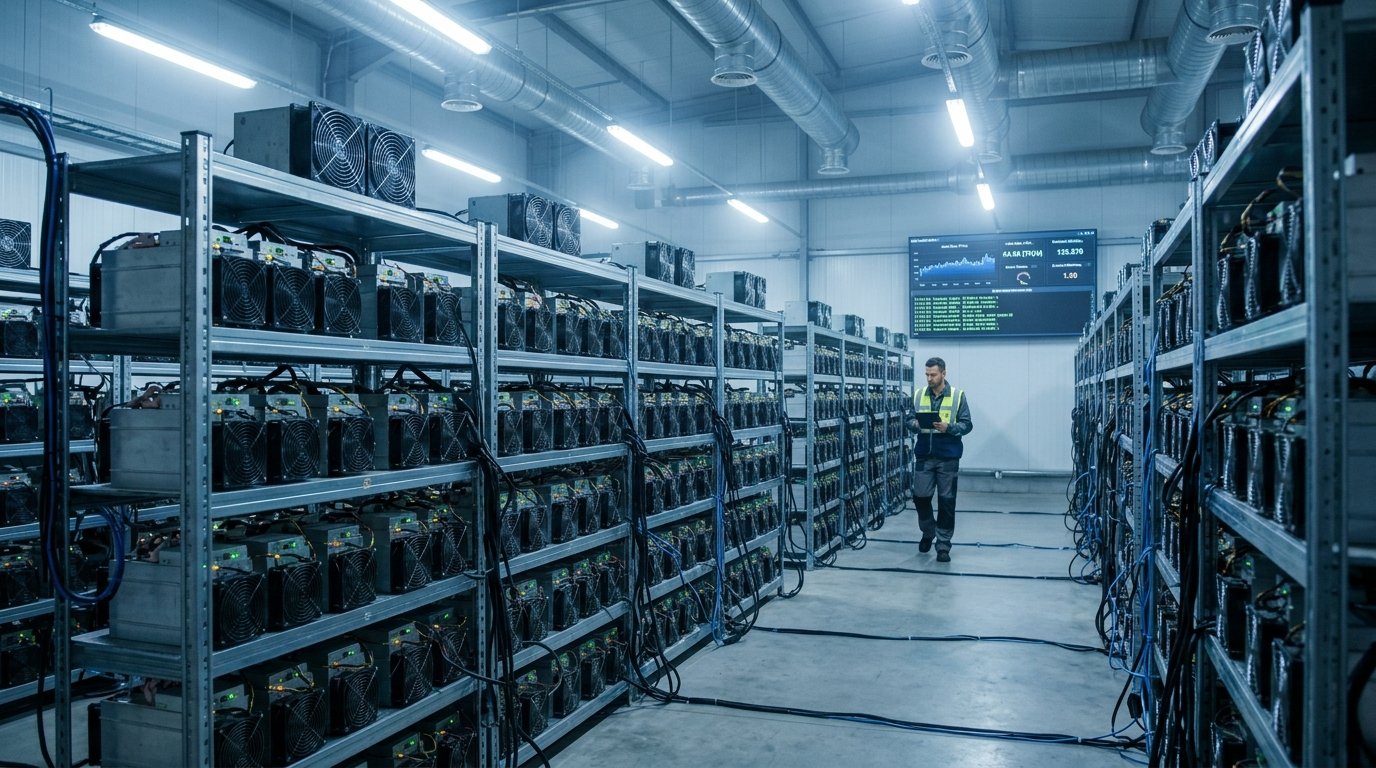
Bitcoin mining has evolved significantly since its early days when individuals could mine coins using basic computers. As of 8th February 2026, Bitcoin mining stands as a highly competitive, technologically advanced, and energy-intensive industry that plays a crucial role in maintaining the decentralized nature of the Bitcoin network. With increasing interest in cryptocurrencies and blockchain technology, understanding Bitcoin mining is more important than ever for investors, tech enthusiasts, and entrepreneurs.
At its core, Bitcoin mining is the process through which new bitcoins are created and transactions are verified on the blockchain. However, beyond this simple definition lies a complex ecosystem involving specialized hardware, advanced algorithms, energy consumption, and economic incentives. Over the years, Bitcoin mining has shifted from hobbyist setups to large-scale industrial operations, raising questions about profitability, sustainability, and accessibility.This article provides a comprehensive guide to Bitcoin mining in 2026, covering how it works, the technology involved, costs, profitability, environmental concerns, and future trends. Whether you are a beginner or someone looking to deepen your understanding, this detailed guide will help you navigate the modern landscape of Bitcoin mining.
What is Bitcoin Mining?
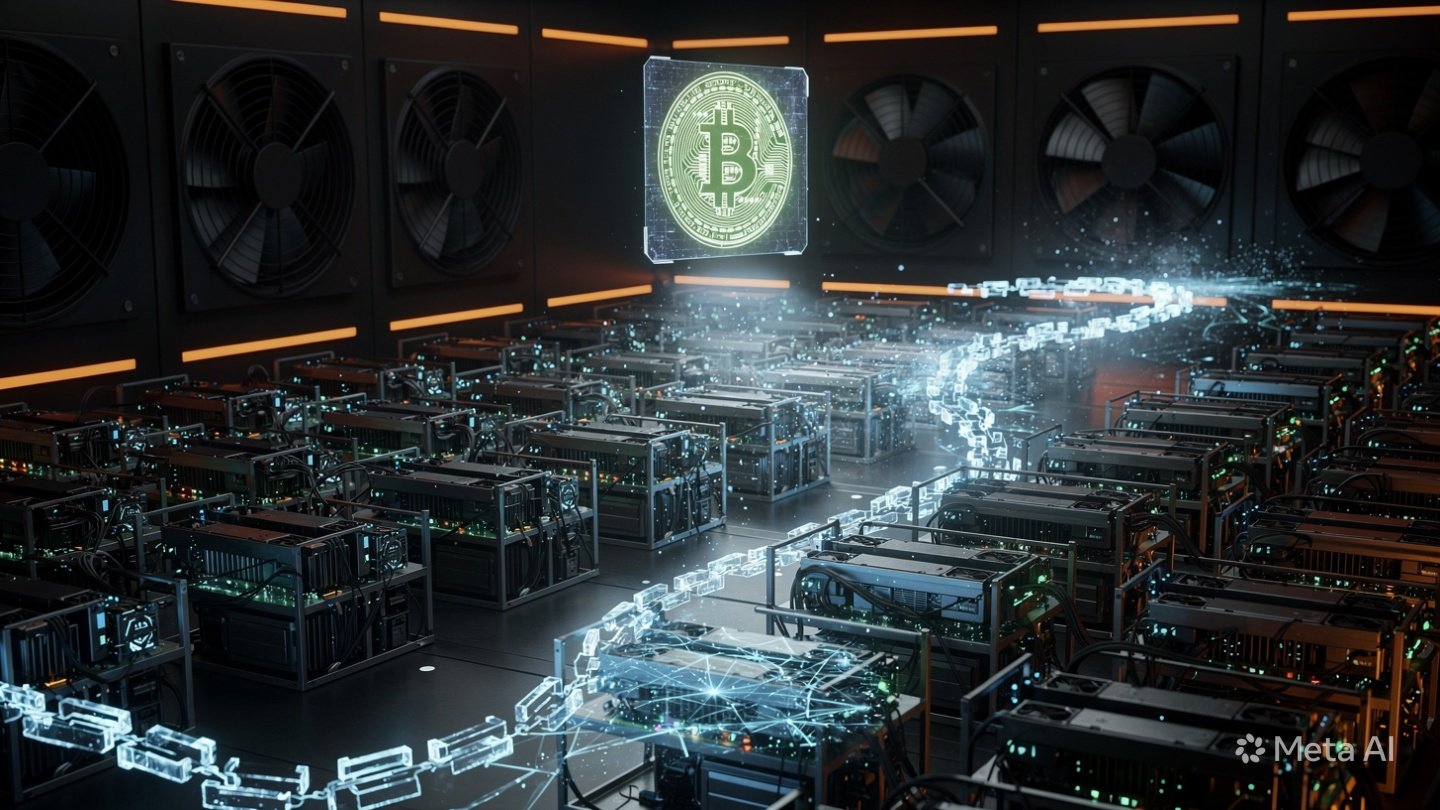
Bitcoin mining is the process of validating transactions and adding them to the blockchain ledger. Miners use computational power to solve complex mathematical problems, and in return, they are rewarded with newly minted bitcoins and transaction fees.The concept of Bitcoin mining is rooted in decentralization. Instead of relying on a central authority like a bank, the Bitcoin network relies on miners to verify transactions. This ensures transparency, security, and trust within the system.In 2026, Bitcoin mining has become more sophisticated than ever. The process now requires specialized equipment known as ASIC (Application-Specific Integrated Circuit) miners, which are designed specifically for mining cryptocurrencies. These machines are far more powerful than traditional CPUs or GPUs, making them essential for competitive mining operations.
How Bitcoin Mining Works
The Role of Blockchain Technology
Bitcoin mining operates on blockchain technology, which is a decentralized ledger that records all transactions. Each block in the blockchain contains a list of transactions, and miners compete to add new blocks to the chain.When a miner successfully solves a cryptographic puzzle, they broadcast the solution to the network. Once verified, the new block is added to the blockchain, and the miner receives a reward.
Proof of Work Mechanism
The backbone of Bitcoin mining is the Proof of Work (PoW) consensus mechanism. This system requires miners to perform computational work to validate transactions. The difficulty of these calculations adjusts automatically to ensure that new blocks are added approximately every 10 minutes.
In 2026, the mining difficulty has reached unprecedented levels due to increased competition and network security. This means that miners need more powerful hardware and efficient energy solutions to remain profitable.
Mining Rewards and Halving
Bitcoin mining rewards consist of two components: block rewards and transaction fees. The block reward is the number of bitcoins given to a miner for successfully mining a block.Bitcoin undergoes a halving event approximately every four years, reducing the block reward by half. By 2026, the reward has decreased significantly compared to earlier years, making transaction fees a more important part of miners’ income.
Types of Bitcoin Mining
Solo Mining
Solo mining involves mining independently without joining a pool. While it allows miners to keep the entire reward, it is extremely difficult to succeed due to high competition and network difficulty.In 2026, solo Bitcoin mining is mostly impractical for individuals unless they have access to massive computational resources.
Pool Mining
Pool mining is the most common method today. Miners join forces in a mining pool, combining their computational power to increase the chances of solving a block. Rewards are then distributed among participants based on their contribution.
This approach provides more consistent earnings, making it ideal for beginners and small-scale miners.
Cloud Mining
Cloud mining allows users to rent mining power from remote data centers. This eliminates the need for hardware and maintenance but comes with risks such as scams and lower profitability.In 2026, cloud Bitcoin mining has become more regulated, but users still need to exercise caution when choosing providers.
Hardware Used in Bitcoin Mining
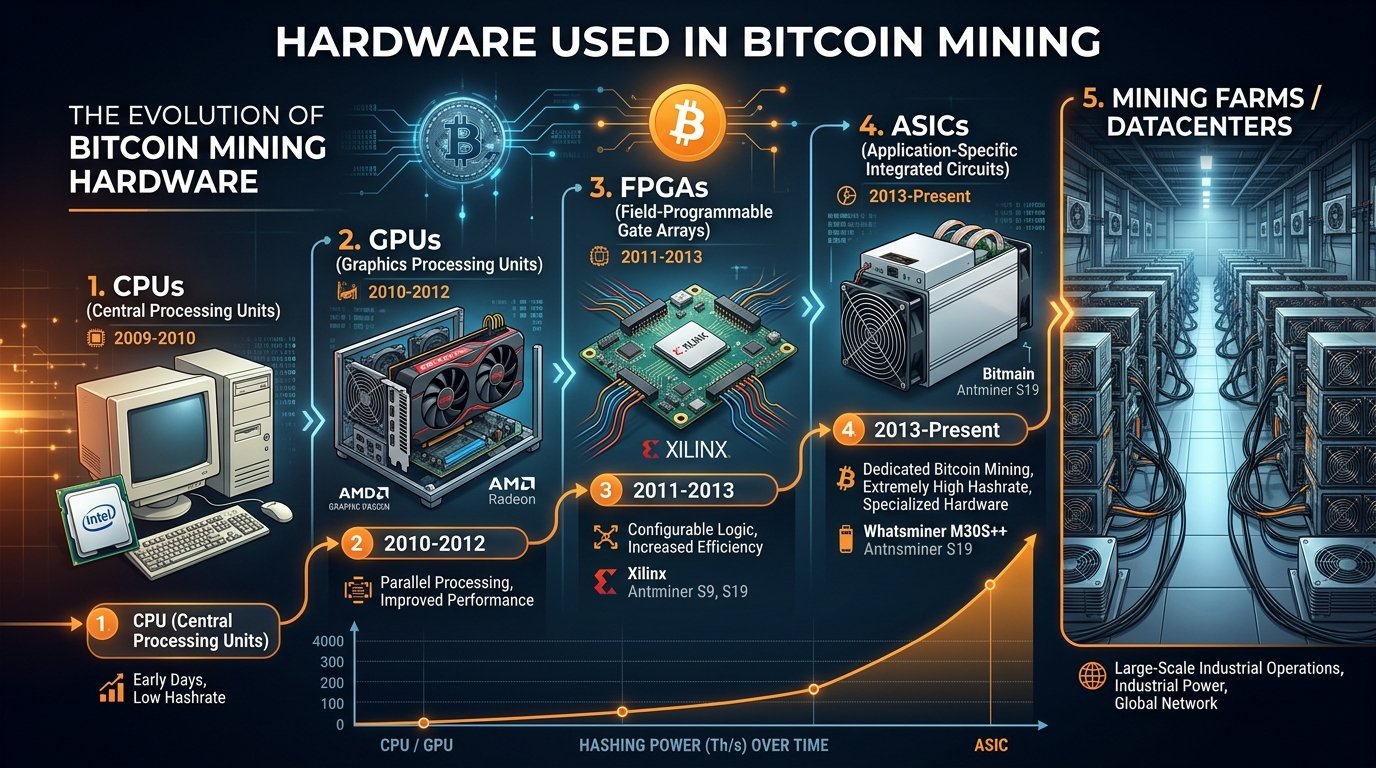
Evolution of Mining Hardware
Bitcoin mining hardware has evolved from CPUs to GPUs and now to ASICs. ASIC miners dominate the industry due to their efficiency and high hash rates.Modern ASIC machines are designed to perform a single task: mining Bitcoin. This specialization makes them incredibly powerful but also expensive.
Choosing the Right Equipment
Selecting the right hardware is crucial for successful Bitcoin mining. Factors such as hash rate, energy consumption, and initial cost must be considered.In 2026, miners focus heavily on energy efficiency due to rising electricity costs and environmental concerns. Newer models offer better performance per watt, making them more profitable in the long run.
Energy Consumption and Environmental Impact
Bitcoin mining has long been criticized for its high energy consumption. The process requires significant computational power, which translates into electricity usage.
Renewable Energy Solutions
In recent years, there has been a shift toward renewable energy sources such as solar, wind, and hydroelectric power. Many mining operations now prioritize sustainability to reduce their carbon footprint.
By 2026, a significant portion of Bitcoin mining is powered by renewable energy, helping address environmental concerns and improve public perception.
Government Regulations
Governments around the world have introduced regulations to control energy usage and environmental impact. Some regions have embraced Bitcoin mining, while others have imposed restrictions or bans.Miners must stay informed about local regulations to ensure compliance and avoid legal issues.
Profitability of Bitcoin Mining in 2026
Factors Affecting Profitability
Bitcoin mining profitability depends on several factors, including electricity costs, hardware efficiency, Bitcoin price, and mining difficulty.In 2026, profitability has become more complex due to increased competition and reduced block rewards. Miners must carefully calculate their expenses and potential earnings before investing.
Cost vs. Reward Analysis
The initial investment in Bitcoin mining can be substantial. Costs include hardware, electricity, cooling systems, and maintenance.Despite these expenses, Bitcoin mining can still be profitable for those who optimize their operations and take advantage of favorable market conditions.
Challenges in Bitcoin Mining
Increasing Difficulty
As more miners join the network, the difficulty level increases, making it harder to mine new blocks. This creates a competitive environment where only the most efficient miners succeed.
High Initial Investment
Starting a Bitcoin mining operation requires significant capital. This barrier to entry has led to the dominance of large-scale mining farms.
Market Volatility
Bitcoin’s price volatility directly impacts mining profitability. Sudden price drops can make mining unprofitable, while price increases can boost earnings.
Future of Bitcoin Mining
Technological Advancements
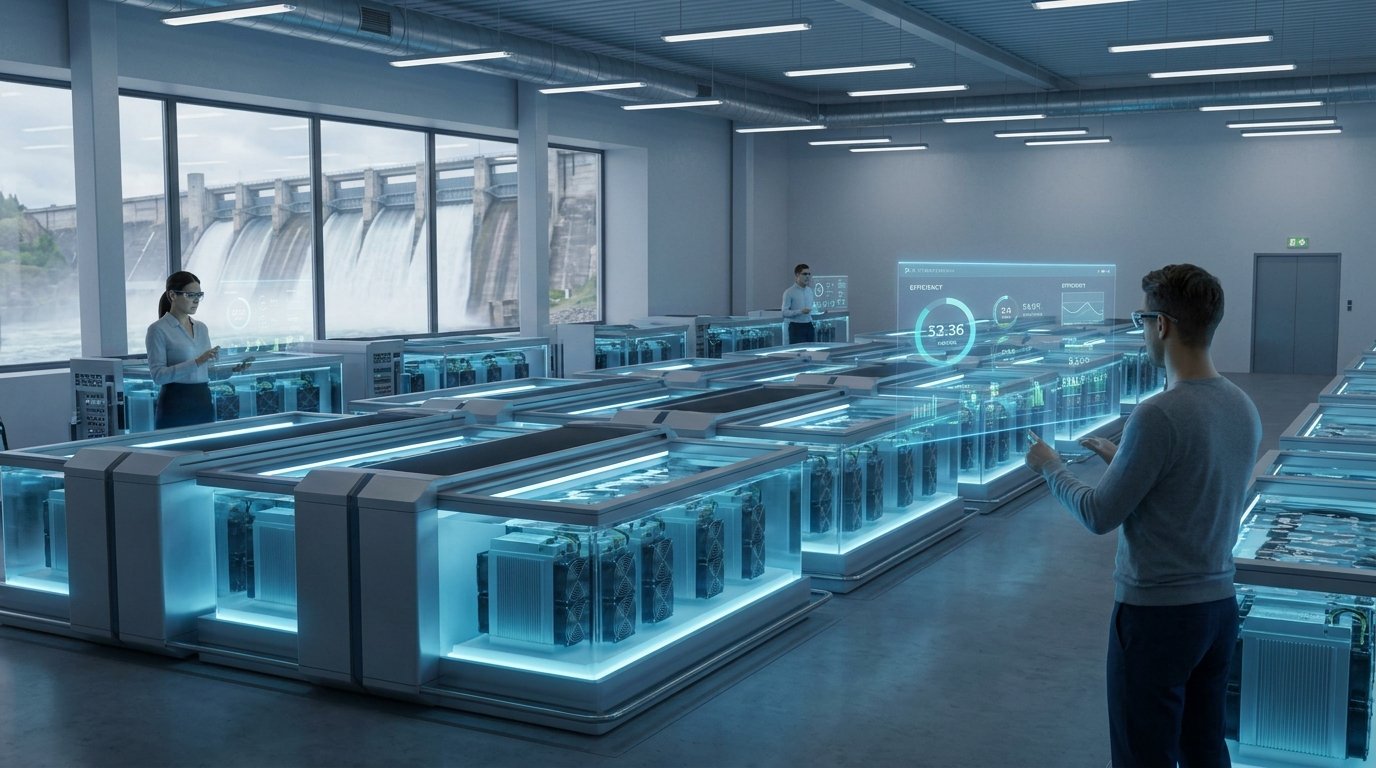
The future of Bitcoin mining will be shaped by technological innovations. New hardware designs and cooling techniques are expected to improve efficiency and reduce costs.
Shift Toward Sustainability
Sustainability will continue to play a key role in the evolution of Bitcoin mining. The industry is likely to adopt greener practices to address environmental concerns.
Decentralization vs. Industrialization
While Bitcoin mining was originally decentralized, the rise of large mining farms has led to increased centralization. Efforts are being made to restore balance and ensure the network remains secure and decentralized.
Is Bitcoin Mining Worth It in 2026?
Bitcoin mining remains a viable opportunity, but it is no longer as simple as it once was. Success requires careful planning, significant investment, and a deep understanding of the market.For individuals, joining a mining pool or exploring alternative investment strategies may be more practical than starting a solo operation. However, for businesses with access to cheap electricity and advanced technology, Bitcoin mining can still be highly profitable.
Conclusion
Bitcoin mining in 2026 is a complex and dynamic industry that continues to evolve alongside advancements in technology and changes in the global economy. While it offers opportunities for profit, it also comes with challenges such as high costs, increased competition, and environmental concerns.
Understanding how Bitcoin mining works, the factors affecting profitability, and the future trends is essential for anyone looking to enter this space. By staying informed and adopting efficient practices, miners can navigate the challenges and take advantage of the opportunities in this ever-changing industry.
FAQs
1. What is Bitcoin mining in simple terms?
Bitcoin mining is the process of verifying transactions and adding them to the blockchain while earning rewards in the form of bitcoins.
2. Is Bitcoin mining profitable in 2026?
Yes, Bitcoin mining can be profitable in 2026, but it depends on factors like electricity costs, hardware efficiency, and market conditions.
3. Can beginners start Bitcoin mining?
Beginners can start Bitcoin mining by joining mining pools or using cloud mining services, but they should research thoroughly before investing.
4. How much electricity does Bitcoin mining use?
Bitcoin mining consumes a large amount of electricity, but many operations are shifting toward renewable energy sources to reduce environmental impact.
5. What is the future of Bitcoin mining?
The future of Bitcoin mining includes more efficient hardware, increased use of renewable energy, and ongoing efforts to maintain decentralization.
See More:Bitcoin Mining Increases Air Pollution Harmful to Human Health

1 comment