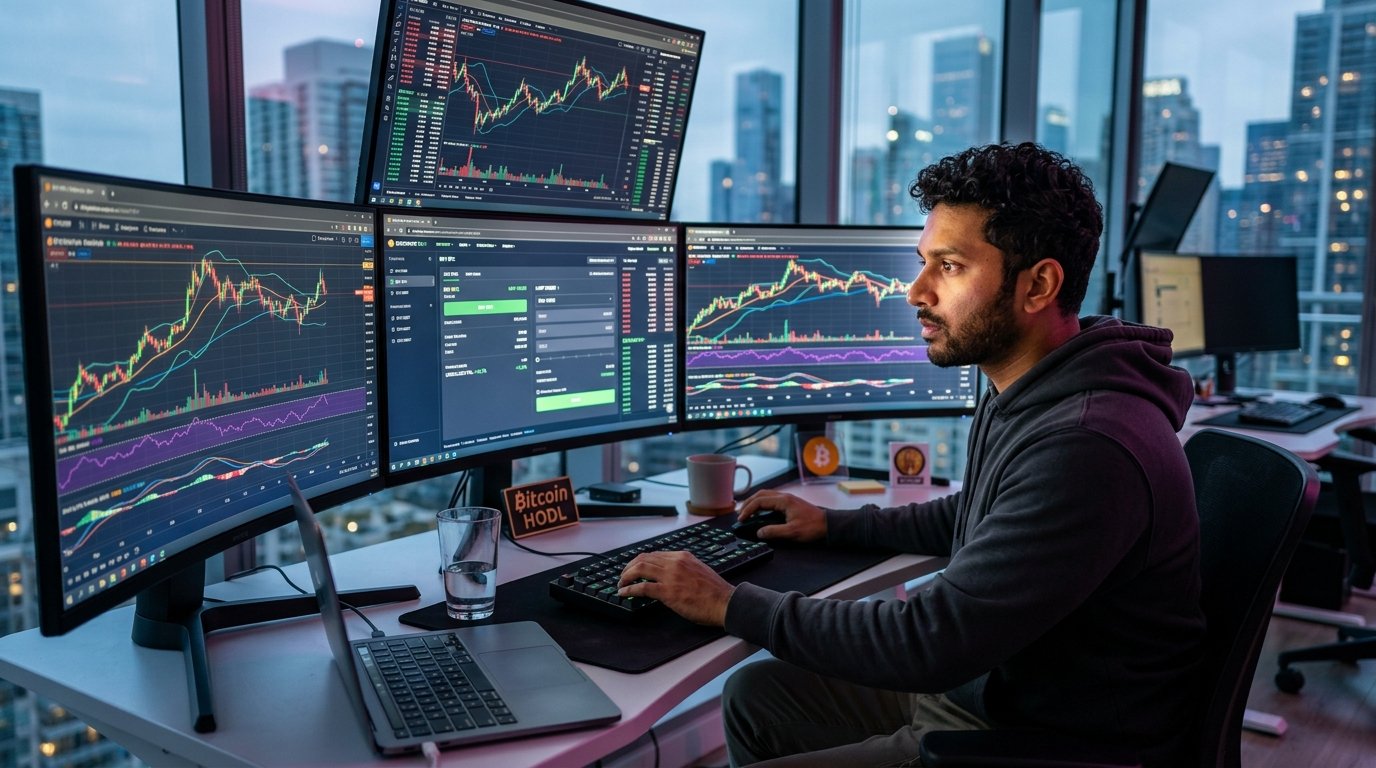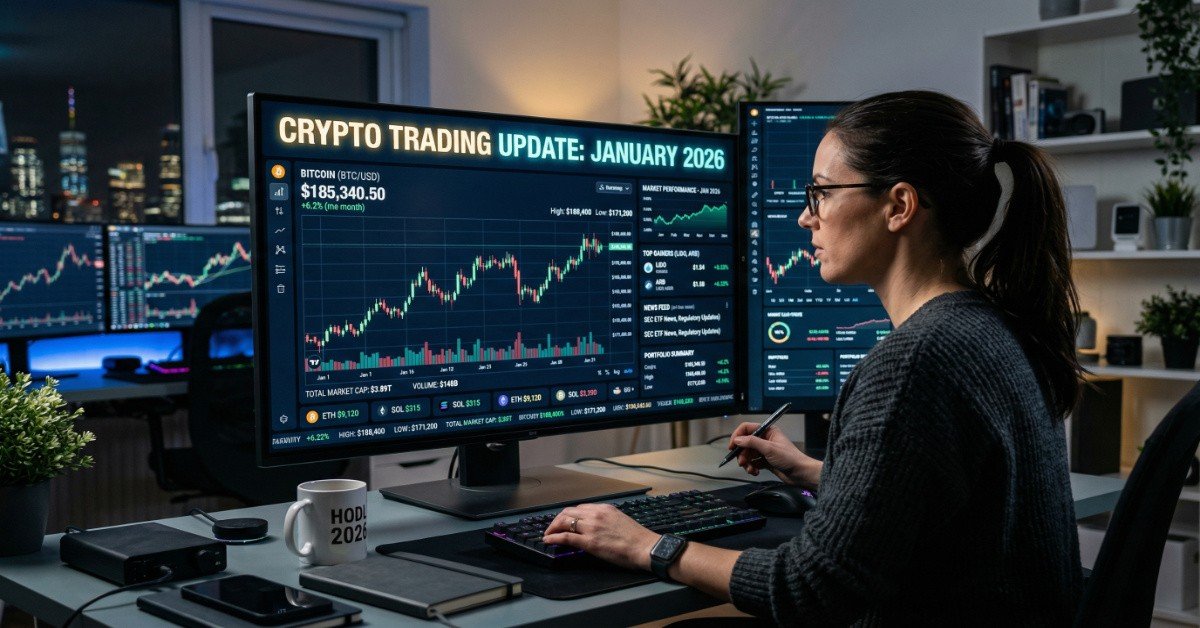

The world of crypto trading is evolving at an unprecedented pace. By February 2026, the landscape of cryptocurrencies has matured, offering traders new opportunities and challenges. Investors are no longer limited to just Bitcoin and Ethereum; a myriad of altcoins, decentralized finance projects, and innovative blockchain solutions have expanded the market significantly. With growing institutional adoption and technological advancements, crypto trading has become both more lucrative and complex. For beginners and seasoned traders alike, understanding the dynamics of this market is crucial for success.
Crypto trading involves buying, selling, and holding cryptocurrencies with the goal of earning profits. Unlike traditional trading, crypto trading operates 24/7, making it a highly volatile and fast-moving environment. Traders must combine technical analysis, market sentiment, and strategic planning to make informed decisions. This article explores comprehensive strategies for 2026, helping traders navigate the market effectively while minimizing risks.
Crypto Trading Fundamentals
To succeed in crypto trading, it is essential to grasp the fundamentals. Cryptocurrency is a digital or virtual asset secured by cryptography, functioning independently of traditional financial institutions. Each cryptocurrency operates on a blockchain, which is a decentralized ledger ensuring transparency and security. The volatile nature of crypto prices can lead to substantial profits but also carries high risks.
Traders must understand key concepts such as market capitalization, trading volume, liquidity, and supply dynamics. Market capitalization indicates the overall value of a cryptocurrency, while trading volume reflects the activity and interest in a particular coin. Liquidity determines how easily a cryptocurrency can be bought or sold without affecting its price. Understanding these basics helps traders make informed choices about entry and exit points in their trades.Crypto trading is not limited to spot trading, where assets are bought and sold immediately. Margin trading, futures, and options provide leverage opportunities but come with increased risk. By comprehending these mechanisms, traders can tailor their strategies to fit their risk appetite and investment goals.
The Importance of Market Analysis in Crypto Trading
Market analysis is a cornerstone of successful crypto trading. Traders generally rely on two primary methods: fundamental analysis and technical analysis. Fundamental analysis evaluates a cryptocurrency’s intrinsic value based on underlying factors such as blockchain technology, team reputation, adoption rate, partnerships, and real-world use cases. For example, a coin supporting smart contracts with a growing developer ecosystem may have long-term potential.
Technical analysis, on the other hand, focuses on price patterns, trends, and market indicators. Traders use tools like moving averages, Relative Strength Index (RSI), Bollinger Bands, and Fibonacci retracements to identify potential entry and exit points. Understanding candlestick patterns and volume trends also aids in predicting market movements. Combining these two approaches creates a holistic trading strategy that balances short-term gains with long-term growth.
Additionally, monitoring news, regulatory updates, and global economic trends is crucial. Market sentiment can be significantly influenced by geopolitical events, regulatory changes, or high-profile endorsements. By keeping informed, traders can anticipate potential market swings and adjust their strategies accordingly.
Developing a Winning Crypto Trading Strategy
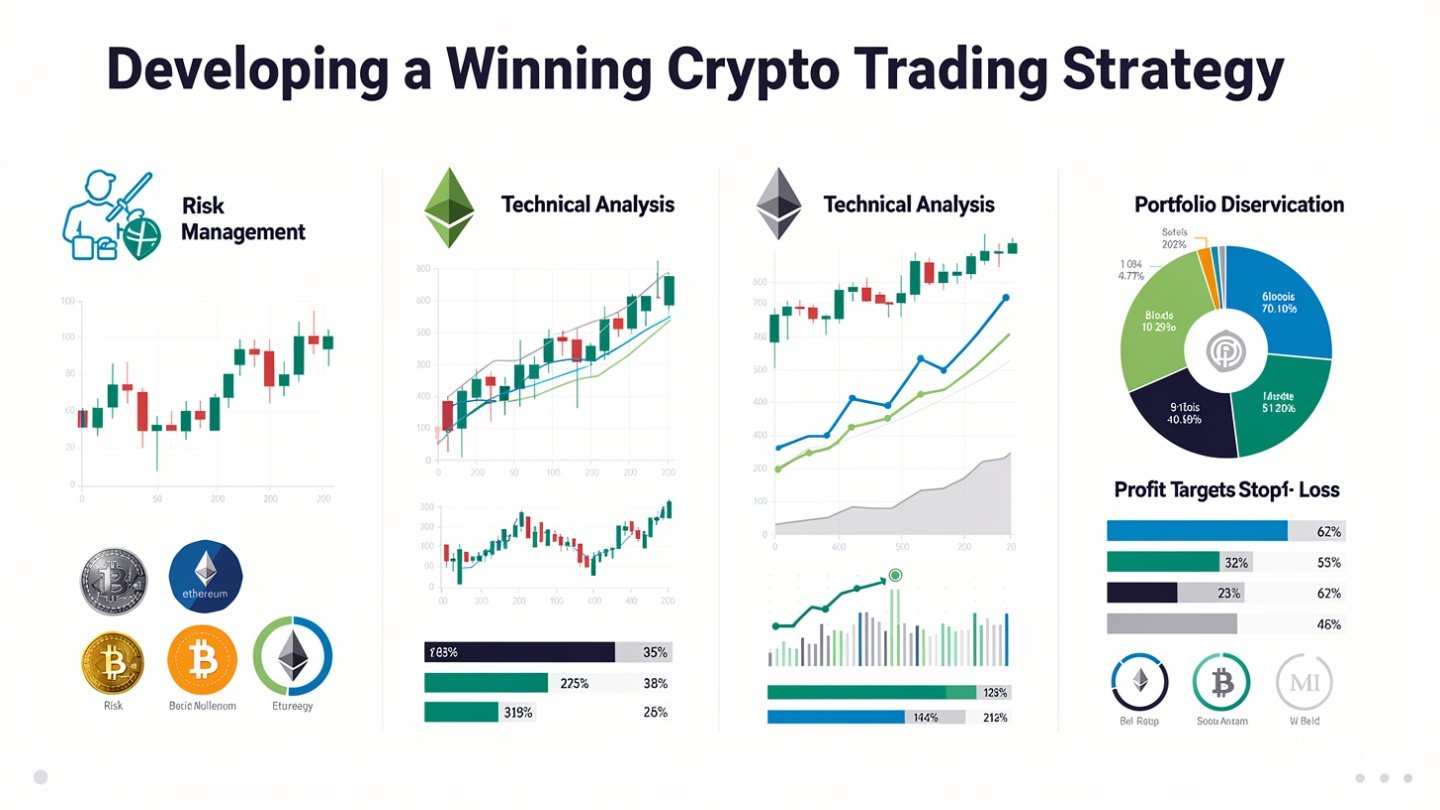
A well-defined trading strategy is the backbone of consistent success in crypto trading. It should account for market conditions, risk tolerance, and investment goals. One common approach is day trading, where traders execute multiple trades within a day to capitalize on short-term price fluctuations. This strategy requires constant market monitoring, quick decision-making, and strong technical analysis skills.
Swing trading is another popular strategy, focusing on capturing price movements over days or weeks. Swing traders analyze trends and market momentum, holding positions until the trend begins to reverse. This strategy often suits those who cannot dedicate an entire day to trading but still want to profit from market volatility.
Long-term investing, or HODLing, is suitable for traders with a belief in a cryptocurrency’s future potential. By holding assets for months or years, investors aim to benefit from long-term market appreciation. Combining these strategies allows traders to diversify their portfolio and reduce exposure to sudden market swings.
Risk Management in Crypto Trading
Crypto trading inherently involves high risk due to market volatility. Effective risk management strategies are essential to protect capital. One key method is position sizing, which determines the amount of capital allocated to each trade based on risk tolerance. By limiting exposure on a single trade, traders can reduce the impact of potential losses.
Stop-loss orders are another critical tool, automatically selling a cryptocurrency when it reaches a predetermined price. This ensures losses are capped and emotions do not interfere with decision-making. Take-profit orders, conversely, lock in gains at specific levels, preventing traders from missing opportunities due to sudden market reversals.
Diversification across different cryptocurrencies and trading strategies also mitigates risk. By spreading investments across multiple assets, traders reduce the likelihood of total portfolio loss. Emotional discipline, patience, and adherence to a predefined plan further enhance risk management and long-term profitability.
Utilizing Advanced Trading Tools
Modern crypto trading offers a wide range of advanced tools to improve decision-making and efficiency. Trading bots, algorithmic trading, and AI-powered analytics have become increasingly popular. These tools allow traders to automate trades, respond to market changes faster, and reduce emotional biases. For example, algorithmic trading can execute trades based on pre-set conditions such as price movements, technical indicators, or volume surges.
Crypto exchanges also provide detailed charting tools, real-time order books, and market depth analysis. These resources help traders monitor liquidity, identify trends, and execute precise trades. Additionally, portfolio tracking tools allow users to analyze performance, track profits, and manage risk more effectively. By leveraging these tools, traders can gain a competitive edge in a rapidly evolving market.However, reliance on tools alone is not sufficient. Understanding market fundamentals, trends, and the psychology of trading remains crucial. The combination of advanced tools and strategic insight leads to informed trading decisions and sustainable profitability.
The Role of Psychology in Crypto Trading
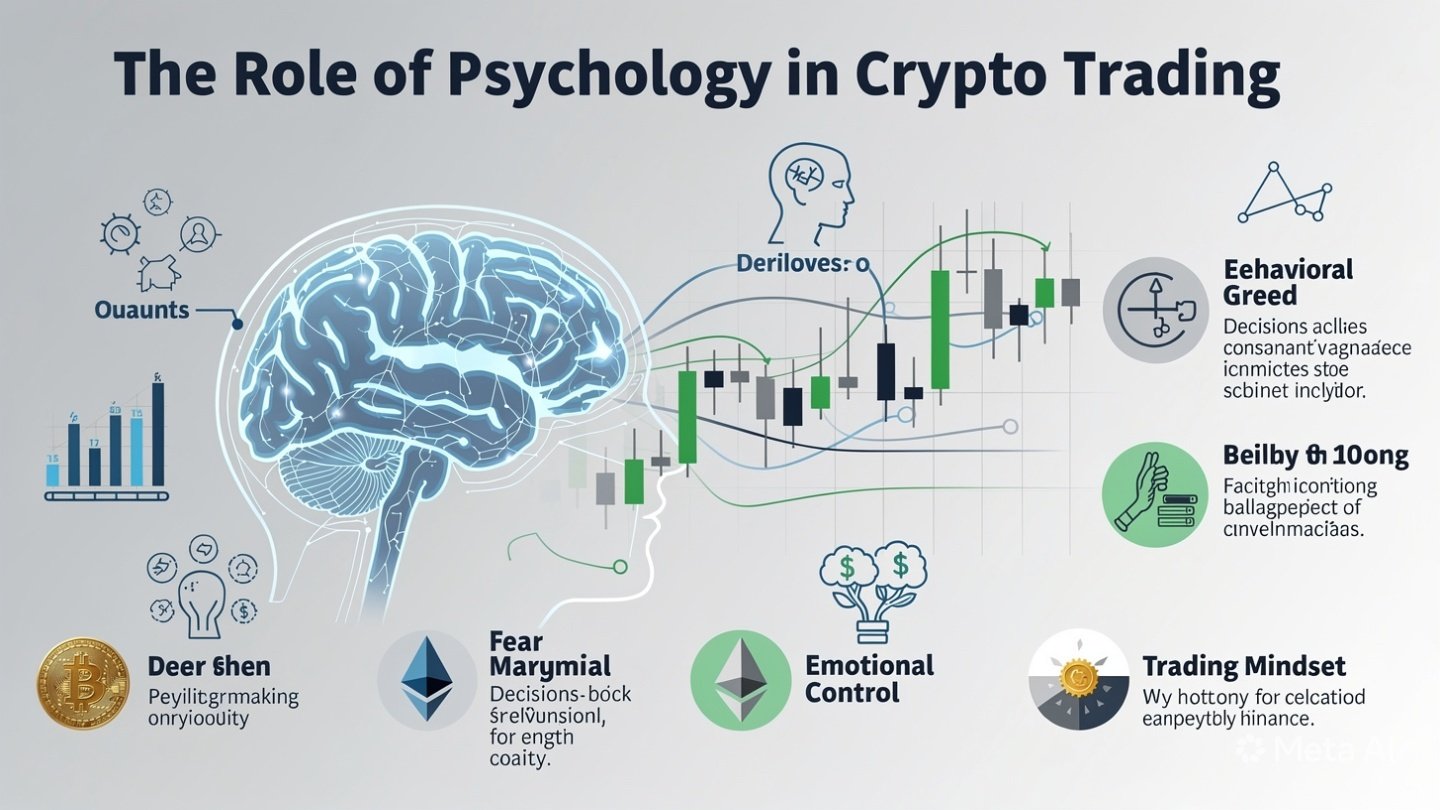
Psychology plays a crucial role in crypto trading success. Emotional responses such as fear, greed, and overconfidence often drive impulsive decisions that lead to losses. Understanding cognitive biases and controlling emotions is essential for disciplined trading. Traders must avoid panic selling during market dips or excessive buying during bullish trends.
Developing a mindset focused on strategy and long-term goals helps navigate the psychological challenges of trading. Journaling trades, reviewing past decisions, and learning from mistakes contribute to continuous improvement. Traders who cultivate patience, discipline, and emotional resilience are better equipped to handle volatility and maximize returns in the crypto market.
Emerging Trends in Crypto Trading 2026
By 2026, several emerging trends are shaping crypto trading. Decentralized exchanges (DEXs) are becoming more prominent, allowing users to trade directly without intermediaries. This shift increases privacy, reduces counterparty risk, and broadens market access. Non-fungible tokens (NFTs) and tokenized assets also continue to gain traction, offering new trading opportunities beyond traditional cryptocurrencies.
Institutional adoption is another significant trend. Large financial institutions are integrating crypto trading into their portfolios, bringing greater liquidity, stability, and regulatory oversight to the market. Additionally, cross-chain interoperability and layer-2 scaling solutions are enhancing transaction speed, reducing fees, and improving overall trading efficiency.
Traders who stay informed about these trends can capitalize on new opportunities, adapt to changing market conditions, and maintain a competitive advantage in crypto trading.
Conclusion
Crypto trading in 2026 presents an exciting yet challenging landscape. Success requires a deep understanding of market fundamentals, effective strategies, risk management, and emotional discipline. By leveraging advanced trading tools, conducting thorough analysis, and staying updated on emerging trends, traders can navigate the volatility of the crypto market and maximize their potential for profit. Whether you are a day trader, swing trader, or long-term investor, the key to thriving in crypto trading lies in continuous learning, strategic planning, and disciplined execution.
FAQs
What is the best strategy for beginners in crypto trading?
Beginners should focus on long-term investing in trusted cryptocurrencies and avoid risky short-term trading at the start. Learning market basics, practicing patience, and gaining experience gradually can help build confidence and reduce losses.
How important is technical analysis in crypto trading?
Technical analysis is very important because it helps traders understand price trends, market patterns, and possible entry or exit points. When combined with fundamental research and market news, it improves trading decisions and risk control.
Can automated trading bots guarantee profits?
No, automated trading bots cannot guarantee profits because cryptocurrency markets are highly volatile and unpredictable. Bots simply automate trading strategies, so their success depends on proper settings, market conditions, and effective risk management.
How can traders manage risks effectively?
Traders can manage risks by using stop-loss orders, proper position sizing, portfolio diversification, and avoiding emotional decisions during market volatility. Maintaining discipline and investing only affordable amounts also helps reduce financial risks.
What trends should traders watch in 2026?
Important trends in 2026 include decentralized exchanges, NFTs, tokenized assets, institutional crypto adoption, cross-chain technologies, and layer-2 scaling solutions. Artificial intelligence, blockchain security, and decentralized finance innovations are also expected to shape the future market.